



With boiled water that has been left to cool, improper storage and use can still pose potential health risks.
What are the benefits of drinking boiled water that has cooled?
According to recommendations from the World Health Organization (WHO) and the US Centers for Disease Control and Prevention (CDC), boiling is one of the simple and effective measures to eliminate microorganisms in situations where the water source is not guaranteed. When water is boiled to 100°C and maintained boiling for at least 1 minute (or 3 minutes in high mountains), most bacteria, viruses and parasites that cause intestinal diseases will be inactivated.
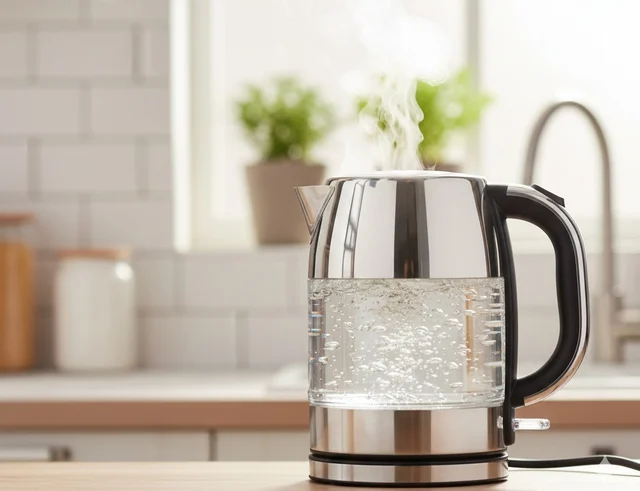
Boiling is one of the simple and effective measures to eliminate microorganisms in situations where the source of domestic water is not guaranteed. Photo: AI
Dr. Chu Thi Dung, University of Medicine and Pharmacy Hospital, Ho Chi Minh City - Campus 3, said: "Boiling water can reduce the risk of diarrhea and intestinal infections, and also eliminate many common pathogens such as E. coli, Salmonella, intestinal viruses and parasites."
Boiling water is also easy to do at home, has low cost and is suitable for the living conditions of most households. Therefore, in case the water source has not been tested for quality, boiling water is still a safe choice.
Risks of drinking boiled water that has been left to cool for too long
Boiled water can still become unsafe if left at room temperature for too long or if stored improperly. According to WHO guidelines, boiled drinking water should be stored in a clean, tightly closed container and used within 24 hours to reduce the risk of recontamination from the environment.
Some factors that can easily cause water to become contaminated include unclean containers or containers that are not rinsed daily, storage locations near areas with high humidity or microorganisms, and frequent opening and closing of the bottle cap. Drinking contaminated water can cause stomach aches, diarrhea, or digestive disorders, even if the outside appearance is still clear and has no strange smell.
In addition, many people have the habit of re-boiling previously boiled water, thinking that it will make the water more "pure". "However, boiling many times does not increase the effectiveness of sterilization. On the contrary, it can also cause the water to become concentrated and increase the concentration of dissolved inorganic minerals available in the water source, especially in areas where tap water or well water has high levels of nitrate, fluoride or heavy metals," Dr. Dung shared.
Doctor Dung warns of some signs that boiled water that has cooled down is no longer safe that people should pay attention to:
- Has a strange or foul smell.
- Scum, scum or biofilm appears in the tank.
- Oily or sludge-ridden tank.
- Water left at room temperature for more than 24 hours.
Even if the water has no unusual color or odor, prolonged storage still increases the risk of bacterial contamination.
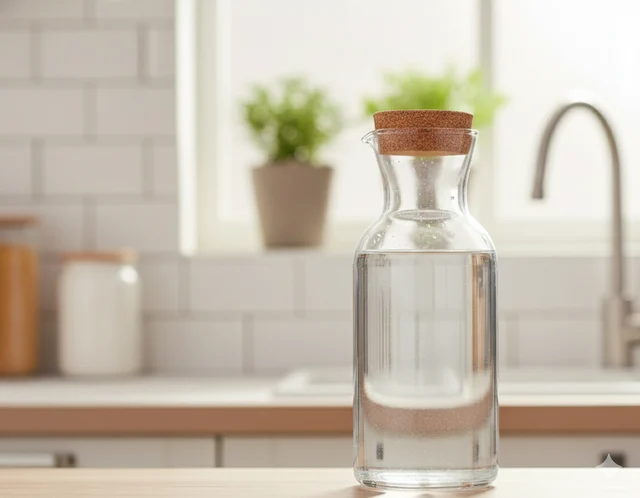
After boiling and letting it cool, put the water in a clean, safe container. Photo: AI
How to drink boiled water that has cooled safely
Drinking boiled water is a beneficial habit, but it is only effective when combined with proper storage methods. Dr. Dung recommends the following methods to safely store boiled water:
- Store in a clean, tightly closed container made of safe materials.
- Avoid placing the water tank near the stove, dusty or damp areas.
- Clean the container daily with dishwashing liquid, rinse with hot water.
- Scoop water with a clean jug, avoiding letting the mouth of the jug touch the bottle.
"In addition, people should not store boiled water for too long, nor should they use poor quality plastic bottles to store hot water or leave the bottle open for long periods of time," said Dr. Dung.