


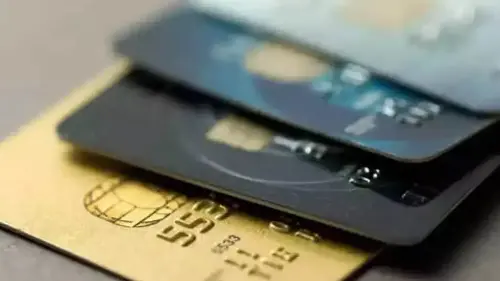
Modern credit cards and debit cards are the core of financial life in a fast-paced world. Both are made for convenience and flexibility but are based on fundamentally different concepts. Understanding these key differences will help you make sound financial decisions that will benefit your lifestyle.
What is a credit card?
A credit card is a borrowed amount of funds from a bank or financial organisation up to a certain limit. You can make purchases and then pay the amount later, with the option of repaying in full or in instalments. If you do not pay the full amount by the due date, you will be charged interest.
Key features of credit cards
- Credit limit: The amount you are permitted to borrow under the terms of your account set up by the provider based on your creditworthiness.
- Interest charges: Charges apply if you don't pay the balance in full by the end date.
- Impact on credit score: Timely payments may improve your credit score, whereas late or heavy debts may adversely affect it.
- Offers and benefits: Most credit cards offer cash back, travel rewards, and other deals.
Benefits of credit cards
- Protection against fraud: These provide excellent measures against unauthorised transactions.
- Credit building: If used intelligently, it can help you create or strengthen your credit score.
- Rewards: You receive points, cash, or airline miles for what you buy.
- Emergency funds: Offers access to money in case cash is not available.
Drawbacks of credit cards
- High interest rates: Unpaid balances can quickly rack up sizable interest.
- Risk of overspending: There is a possibility that borrowings may encourage some consumers to overspend.
- Credit score risks: Late payments or heavy utilisation lower your credit score.
What is a debit card?
A debit card is connected to your bank account, whereby you spend money already in your account. Transactions are deducted straight from your account balance. Most banks provide a debit card whenever you sign up for an account for checking or savings.
Key features of debit cards
- Immediate debit: You debit a fixed amount from your account when making a purchase.
- No interest charges: Since you are using your own money, you do not attract any interest charges.
- ATM-cash withdrawal: Withdrawing cash becomes easier.
- Spending limit: The limit is fixed at the available balance in your account.
Benefits of Debit cards
- Budgeting benefit: Saves money since you use only what is yours
- Easy to use: Very convenient for day-to-day purchases and ATM cash withdrawals.
Drawbacks of debit cards
- Drawbacks of debit cards: Limited fraud protection and offers less strong security than credit cards.
- Overdraft costs: Spending more than your balance may result in additional costs.
- No credit building: This does not affect your credit score.
Comparison between credit cards vs debit cards
Conclusion
The best choice between credit cards and debit cards depends on your financial habits and aspirations since they are two very different tools. Credit cards are ideal for establishing credit, earning rewards, and covering unexpected expenses, while debit cards are the perfect choice for regular transactions and for staying within your budget.
Understanding the benefits and the limitations of both helps you to make informed choices and, therefore, use the tools properly to better your financial well-being. You should spend prudently, pay on time, and tailor the use of your cards accordingly to meet your demands.