


BUREAU of Immigration Commissioner Norman Tansingco has ordered a crackdown on the so-called escort service and other forms of corruption at the bureau.
Tansingco issued the order over the weekend following reports that some immigration officers at the Ninoy Aquino International Airport (NAIA) and other major ports were back in their old business of providing escort services to outbound passengers with problematic documents.
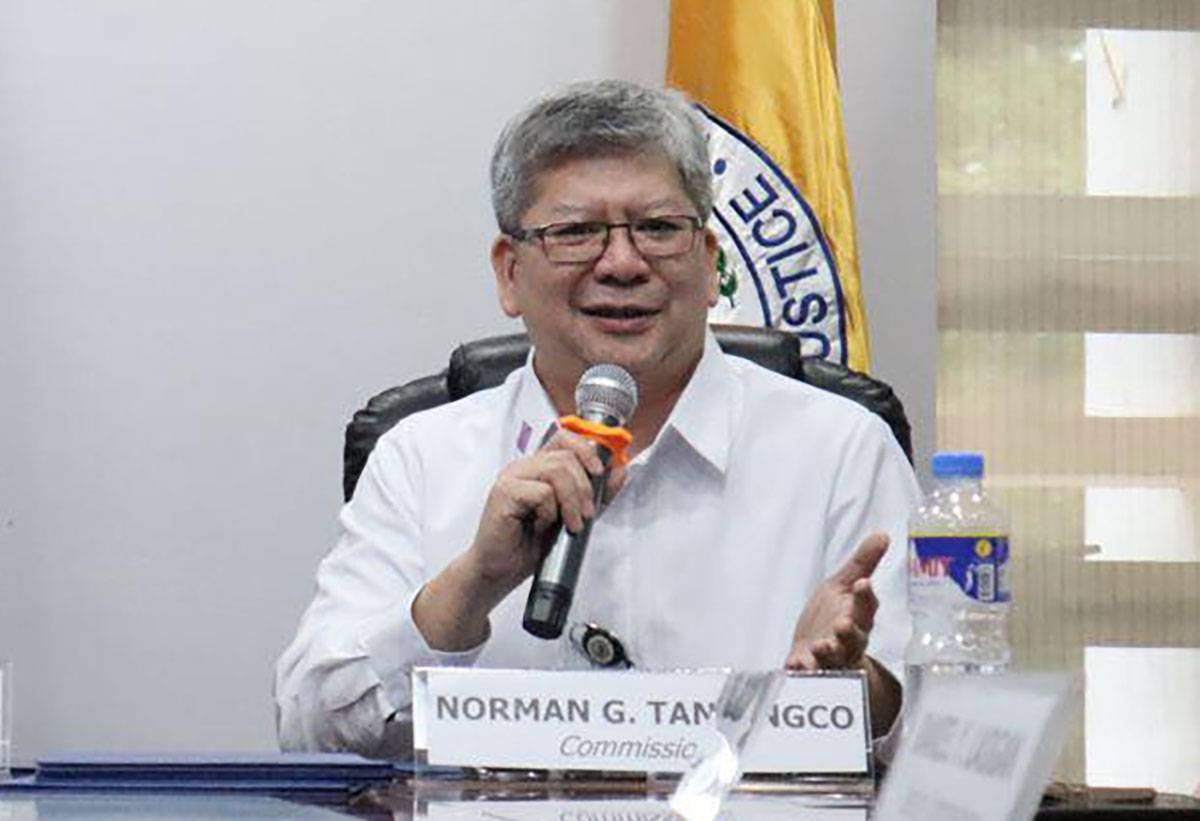
According to Tangsingco, the BI partnered with the Department of Justice (DoJ) to investigate and combat corruption within the bureau, particularly focusing on the reported issue of "escorting" at airports and as well as human trafficking.
"We are keen on uncovering members of trafficking and illegal recruitment syndicates," he added as he strongly warned BI employees not to engage in illegal practices.
"If we are able to confirm that we have employees involved in trafficking activities, then they will face the harshest penalties of the law," he warned.
A confidential intelligence report indicated that for decades, immigration employees and officers assigned at the three terminals of the NAIA derived the bulk of their extra income from Filipino tourist workers who are willing to shell out a certain amount through their recruiters in order to facilitate their smooth and hassle-free departure even without appropriate clearances from concerned agencies of the government.
It added that illegal operation is still in place at the NAIA Terminals 1, 2 and 3.
Since assuming office, Tangsingco has taken steps to address corruption, with 72 cases pending before the BI's Board of Discipline and over 100 cases initiated with the DoJ.
A total of 73 employees have already received decisions this year, including dismissals and suspensions.
Notable cases include a male immigration officer who facilitated the departure of 13 Filipinos later implicated in human trafficking and another who authorized the travel of a blacklisted Korean.
"This is not an overnight problem. However, we are making substantial progress in tackling corruption, holding guilty employees accountable, and deterring others from straying," Tansingco said.
He underscored the implementation of technological upgrades to enhance security and curb corruption. These include transitioning from manual to automated passenger processing involving e-gates and AI technology designed to reduce unnecessary person-to-person contact.