


Colour has long been the silent language of style, a subtle communicator of taste, occasion, and even mood. For the uninitiated, the art of colour matching in men's fashion can seem bewildering—a labyrinth of unwritten rules and nuances. Yet, with a few key principles, any man can unlock the secrets to creating stylish outfits that not only fit the bill but turn heads in admiration.
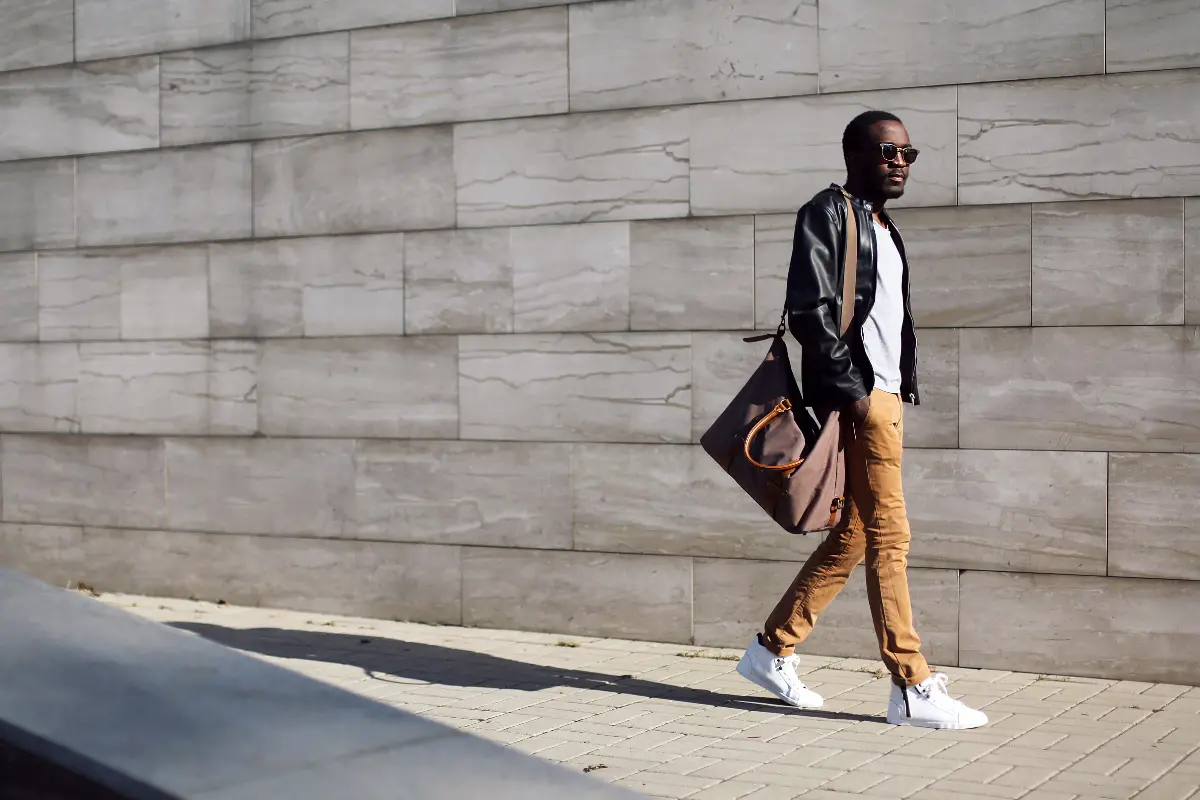
First, let's address the foundation of colour matching: the colour wheel. Understanding the colour wheel is crucial for coordinating hues. Colours opposite each other—like blue and orange—are complementary and create a vibrant contrast, perfect for making a statement. Meanwhile, analogous colours, which sit next to each other like blue, green, and purple, blend harmoniously and are pleasing to the eye, lending themselves to a sophisticated, understated look.
Monochromatic outfits, built around varying shades of a single colour, are a foolproof approach to colour matching. This doesn't mean you'll be drenched in one note; instead, incorporate different tones and textures to add depth and interest. A navy suit, a light blue shirt, and a darker tie provide a classic example of a monochromatic ensemble that exudes effortless elegance.
Neutral colours—black, white, grey, and brown—are the bedrock of any wardrobe. Not only do they pair well with one another, but they also provide a canvas for injecting pops of colour. For example, a crisp white shirt can serve as the perfect backdrop for a burgundy blazer or a colourful pocket square. These neutrals are indispensable for their versatility and easing into the world of colour without feeling overwhelmed.
Transitioning into brighter shades demands a degree of balance. Bright colours draw attention and are best used as the focal point of an outfit. Pair a bright piece with more subdued items to avoid colour clashing. A bright coral shirt, for example, can be balanced with a navy blazer and chinos, allowing the shirt to take centre stage without competing for attention.
Patterns and prints introduce another dimension to colour matching. The key to working with patterned pieces is to ensure that the colours within the pattern complement or contrast with the rest of your outfit appropriately. A striped navy and white tie, for instance, can be paired with a light blue shirt for a harmonious look.
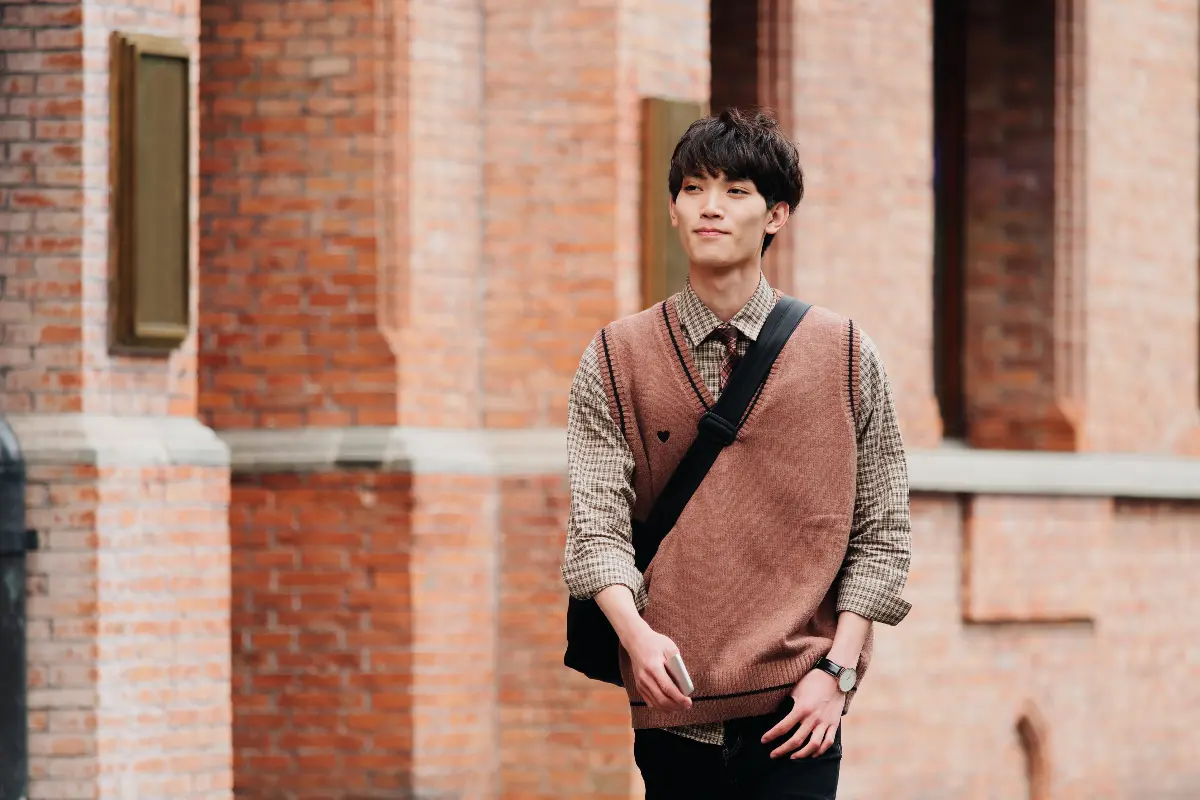
When it comes to enhancing personal style, don't ignore the psychological impact of colour. Certain colours evoke specific feelings; blue conveys trust and confidence, making it a go-to for job interviews and important meetings. Red, associated with power and passion, can be used to communicate assertiveness or to stand out in social settings. Selecting colours based on the impression you wish to make can have a subtle yet profound effect on your interactions.
Accessorising with colour can revitalise an outfit without dominating it. Accessories like ties, pocket squares, belts, and socks are excellent opportunities to introduce colour and express individuality. This is where you can be bold and playful—a bright pocket square or a pair of patterned socks can elevate an outfit from standard to standout.
Seasonality also influences colour choices. Lighter hues such as pastels are associated with spring and summer, whereas autumn and winter invite richer, warmer tones like burgundy, olive, and mustard. Embracing season-specific colours not only ensures your outfit is appropriate but also reflects a keen awareness of trends and the natural world.
Finally, the most important rule in colour matching is to understand your own colouring—your skin tone, hair colour, and eye colour can influence which shades will best complement you. Cooler skin tones pair well with blues and purples, while warmer ones look great against earthy shades. Experimentation is key—wear colours close to your face in natural light to determine which ones enhance your natural features.
In conclusion, mastering the art of colour matching requires understanding the basics, experimenting with balance, embracing neutrals, playing with patterns, considering psychological effects, accessorising wisely, aligning with the seasons, and above all, knowing oneself. With these guidelines in hand, any man can curate an outfit that is not just stylish but truly expressive, ensuring that whether in the corporate boardroom or at a casual gathering, he will most certainly turn heads.