


In the intricate dance of genetics and environment, the enigma of why genetic twins—identical in DNA—end up with distinctly different fingerprints is one that has piqued the interest of scientists and laypeople alike. This phenomenon underscores the sublime interplay between hereditary factors and environmental influences in the development of one of our most unique identifiers: fingerprints.
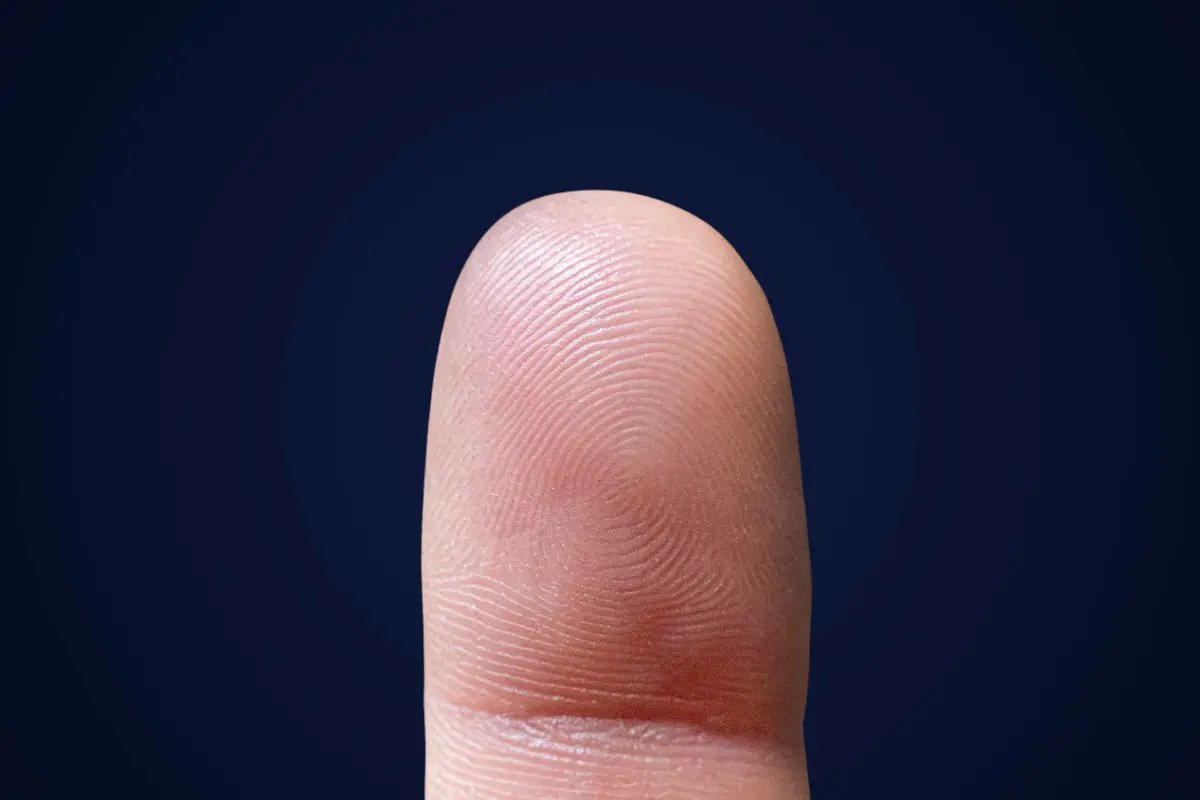
It's widely known that fingerprints are unique to each individual, including identical twins. But why is this the case when twins share the same genetic makeup? To understand this, we must delve into the realm of embryology—the study of embryos and their development.
Fingerprints are formed within the womb, specifically during the first trimester of pregnancy. It is here, in this formative stage, that the basic patterns of whorls, loops, and arches begin to take shape. However, the exact formation of these ridges is not solely dictated by genetics. Tiny variations in the intrauterine environment play a significant role.
Changes in the womb environment, such as differences in blood pressure, the positioning of the baby, and the baby's own movements, influence the formation of the ridges. Even identical twins who share the womb will experience these factors differently. The pressure and flow of amniotic fluid, which particularly affects the fingers and palms, can vary for each twin, leading to personalised patterns on their fingertips.
Another aspect to consider is the minutiae, the fine details within the patterns. These small variations—like the specific points where ridges end or fork—can be altered by even the most minute differences in the environment. Such differences are likely to occur because each twin has a unique experience in the womb, given that they occupy different spaces within it.
Epigenetics also play a role in this developmental wonder. Although twins have the same genes, these genes can be expressed differently depending on environmental factors. This field of study examines how behaviours and environmental factors can cause changes that affect the way genes work. While these changes may not alter the DNA sequence, they can change how the body reads a DNA sequence.
Moreover, the original genetic code serves as a blueprint for the general pattern of whirls and ridges, but it does not control the outcome with pinpoint accuracy. It's akin to a musical score: while the notes are the same for every performer, the nuance and emotion expressed in the music can vary with each musician. Similarly, the final design of a fingerprint is the dermal version of a performance, sculpted by its environment as much as by its genetic design.
Indeed, environmental influence doesn't cease at birth—the ridges can be affected by nutrition, growth patterns, and even use of the fingers. For instance, a person who frequently undertakes manual work may develop slightly thicker skin and thus slightly different ridge patterns over time compared to someone who does not.
The study of fingerprints, dactylography, is not just a matter of solving criminal cases, as is often thought. This discipline intersects with biology, genetics, and even psychology to some extent—scientists have explored whether fingerprint patterns might indicate certain personality traits or predispositions to certain diseases.
Fingerprints, then, are an elegant example of nature versus nurture playing out at a minuscule level. They encapsulate the complexity of human development, reminding us that our identities are shaped by a symphony of genetic and environmental factors. For twins, it serves as a testament to their individuality, despite the shared blueprint they started with.
The fascination with how genetic twins end up with different fingerprints taps into broader questions about identity, development, and the interplay between genes and the environment. It underscores the beauty and complexity of human development, showcasing that individuality is not just a matter of genetics but a dynamic and ongoing process influenced by an array of factors that continues to captivate and intrigue with its implications and mysteries.