


For centuries, fiery foods have held a place of honour in many cultures, celebrated for their vibrant flavours and often associated with medicinal properties. Today, the love of heat in our dishes extends across the globe, tingling our palates and igniting our senses. But beyond the thrill of the burn, there are significant health benefits to adding spice to your diet. Let’s dive into the fiery world of spices and uncover their fantastic perks for our health.
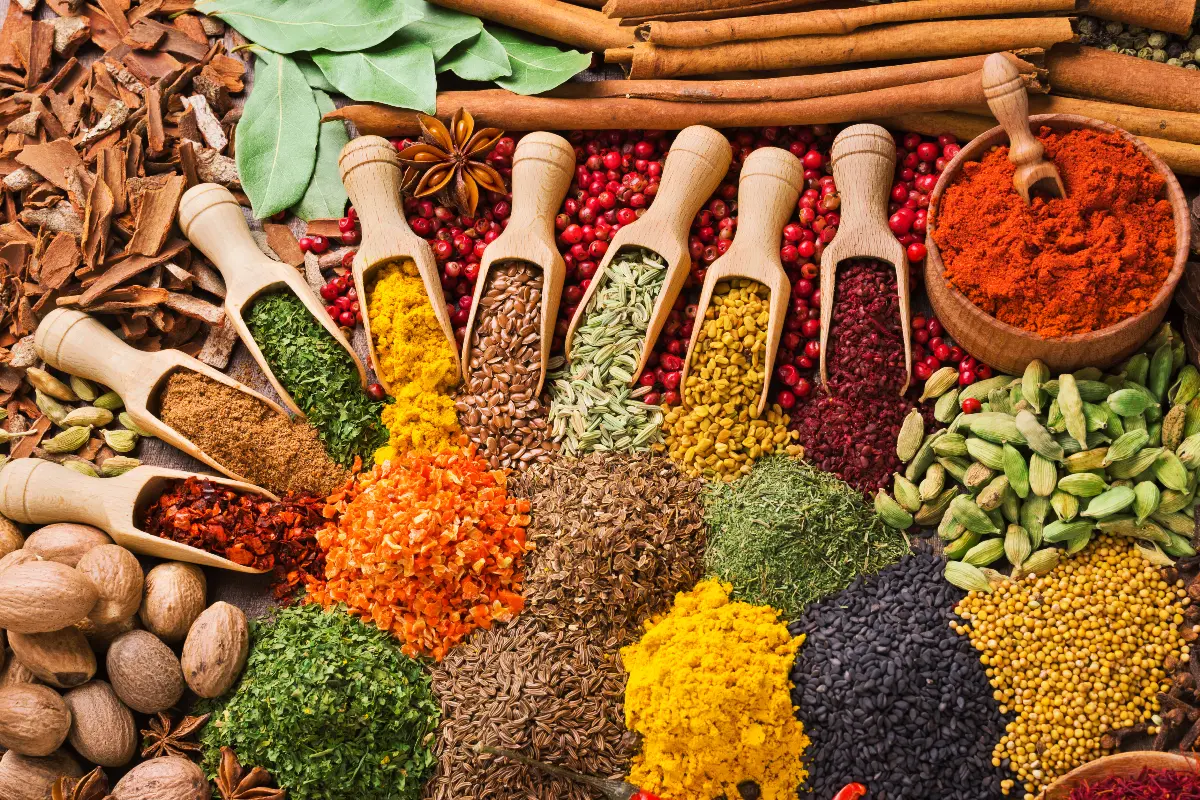
Chilli peppers, the most common source of heat in spicy foods, contain a potent compound called capsaicin. It's capsaicin that gives peppers their characteristic warmth and has been shown to offer a range of health benefits. Perhaps the most well-known of these is its effect on metabolism. Studies suggest that capsaicin can boost metabolic rate, encouraging the body to burn fat more effectively as fuel. This thermogenic property is particularly intriguing for those interested in weight management or seeking a little extra edge in their fitness routines.
Besides metabolism, capsaicin is a remarkable ally for heart health. It possesses anti-inflammatory properties that may help reduce the risk of cardiovascular disease. Incorporating spices into your diet has been linked with lower cholesterol levels, as capsaicin aids in reducing the accumulation of cholesterol in the body. Furthermore, capsaicin improves the body's ability to dissolve fibrin, a substance integral to the formation of blood clots, thus potentially lowering the risk of strokes or heart attacks.
Chilli peppers are also rich in antioxidants. Antioxidants are crucial in fighting off free radicals, those rogue molecules that can cause oxidative stress and lead to chronic diseases like cancer. The Vitamin C and carotenoids in chilli peppers function as powerful antioxidants, bolstering the immune system and keeping your body’s defences strong against ailments.

Moving away from chilli peppers, let's consider another spice known for its heat: ginger. Ginger has been used for millennia to soothe upset stomachs, and modern research has affirmed its role in digestive health. It aids in calming the gastrointestinal tract and reducing nausea, and it can be particularly beneficial for those suffering from motion sickness, pregnancy-related morning sickness, or the side effects of chemotherapy.
Furthermore, ginger contains a compound called gingerol, which, like capsaicin, boasts anti-inflammatory and antioxidant effects. These properties make ginger an excellent food for those dealing with inflammatory conditions such as arthritis. It may also play a role in pain relief by reducing the sensation of pain at the source.
Let’s not forget about the heat-bringing wonders of turmeric, with its star compound curcumin. Curcumin has been the subject of numerous studies, showcasing its potential as an anti-inflammatory agent and its capacity to improve brain function. Curcumin's ability to cross the blood-brain barrier means it can directly enter the brain and benefit the cells there, leading to improvements in memory and cognitive function. Additionally, there's promising research into turmeric's role in reducing the risk of brain diseases.

Fancy a bit of garlic in your dishes? Garlic, while not spicy on the Scoville scale, does have a pungent heat that enhances the flavour of foods. It’s also a health powerhouse. Garlic is rich in compounds such as allicin, which are believed to have cholesterol-lowering properties. Regular garlic consumption is linked to a reduction in blood pressure, making it an excellent choice for those aiming to maintain a healthy vascular system.
Even the simple black pepper on your kitchen shelf has something to offer. Piperine, the compound that gives black pepper its pungency, enhances nutrient absorption, particularly when it comes to the absorption of selenium, B vitamins, and beta-carotene, among others.

It’s vital, though, to consider tolerance levels when spicing up your diet. Not everyone can handle the same level of heat, and for some, consuming highly spicy foods can lead to digestive discomfort. Start with small amounts of spice to see how your body reacts, gradually increasing the heat as you become more accustomed to it.
To incorporate more spice into your diet, consider adding chopped chilli peppers to salads for a kick, grating fresh ginger over stir-fry dishes, mixing turmeric into soups, or simply seasoning your meals with a sprinkle of black pepper. The key is to start with flavours you enjoy and explore from there.
In conclusion, fiery foods can be a delightful and beneficial addition to your diet. They not only excite the taste buds but also offer a host of health perks, from metabolic boosts to improved heart health and beyond. So go ahead, spice up your life, and relish the heat—your body may thank you in more ways than one.