


In the digital age, where instant gratification is the norm and our lives whirl around pixels and screens, the charm of analogue photography remains undiminished. This enduring appeal lies in its tangible nature, the anticipation of developing film, and the surprise of seeing an image revealed for the first time. For those ready to capture the art of life through the lens of nostalgia, film cameras offer a unique pathway to creativity.
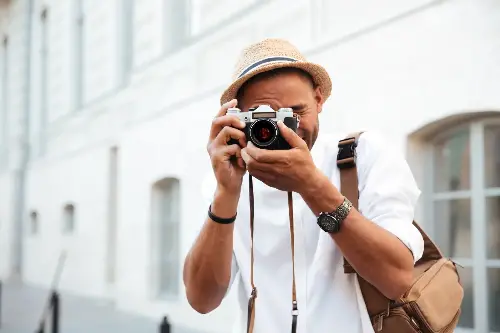
The journey into the world of analogue photography begins with the choice of camera. Vintage enthusiasts might gravitate towards classic models such as the Leica M3, renowned for its unrivalled craft and precision, or the Canon AE-1, a staple for beginners with its user-friendly design and robust build. However, film cameras are not relics of the past; contemporary manufacturers like Lomography and Ilford still produce film cameras, ensuring that this art form evolves with time.
Understanding the workings of a film camera enhances the photographic experience. Unlike their digital counterparts, film cameras operate with rolls of light-sensitive film that capture images when exposed. This requires a thoughtful approach to each shot, considering aspects such as film speed (ISO), which determines how sensitive the film is to light, and shutter speed, which affects the exposure time of the film. With film, each frame is precious, encouraging photographers to compose their shots with intention and foresight.
The choice of film itself is an integral element of the analogue experience. Colour films such as Kodak Portra deliver soft, natural tones ideal for portrait photography, while black and white films like Ilford HP5 Plus excel in capturing dramatic contrasts and deep shadows. Slide film, though less forgiving with exposure, offers vivid colours and remarkable sharpness for those who dare. Each film stock has its own character and grain structure, adding a layer of complexity and richness to the images.
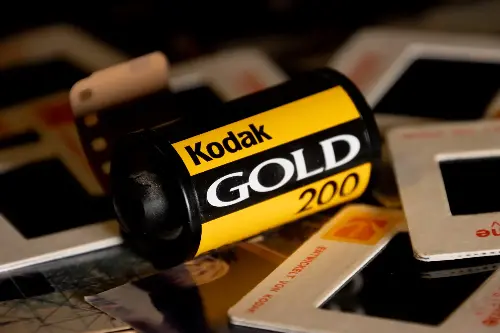
When considering the film format, photographers will encounter options ranging from the standard 35mm to the medium format 120 film and even the larger 4x5 inch sheet film used in large format cameras. Medium format, known for its better resolution and shallower depth of field, provides an elevated level of detail, making it a favourite for fashion, editorial, and fine art photography.
In an age where auto-focus and image stabilisation are commonplace, the manual focus system of most film cameras demands more engagement and skill. The tactile sensation of turning a focus ring until the subject snaps into clarity is a ritual that slows down the process and invites photographers to connect with their craft fully.
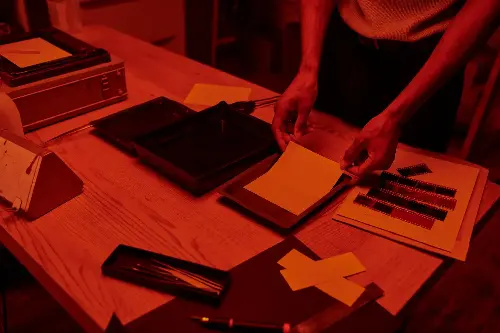
Developing film introduces yet another dimension to the analogue journey. For many enthusiasts, the development process is as rewarding as the act of taking photographs. This alchemic procedure can be outsourced to professional labs, or for those inclined to DIY, a basic development kit and a few chemicals allow the process to unfold right at home. Developing your own film is not only satisfying but also grants the photographer control over the final look of the images.
Finally, there is the element of surprise and the joy of the unexpected. Unlike digital cameras that offer an immediate preview, film photographers often wait days or even weeks before seeing the results of their efforts. This delay builds anticipation and can sometimes lead to delightful surprises when an image turns out differently than expected. These moments of serendipity, where light leaks or accidental double exposures create unique effects, are exclusive to the analogue realm.
To fully immerse yourself in the world of analogue photography, it's important to be receptive to the lessons it imparts. Patience is vital—not only for the learning curve but also for embracing the slower pace that film dictates. Each photograph taken on film is a deliberate choice, a moment captured permanently in a way that digital photography struggles to replicate.
Analogue photography also acts as an important counterbalance to the pervasive, fast-paced consumption of images in the digital era. In a world obsessed with immediacy, film photography is a meditation on mindfulness, a way to savour the present and document it with care and purpose.
As you step into the world of analogue photography, you join a community of artists and hobbyists who appreciate the beauty of life's moments in their most raw and genuine form. Whether to document your travels, create fine art, or simply enjoy the satisfaction that comes with mastering an intricate craft, film photography can enrich the way you see and engage with the world. The art of life awaits, one frame at a time.