


Few fruits manage to carry the mystique, flavor, and folklore quite like the mango. Revered across continents as the “king of fruits,” the mango is more than just a summer treat—it is a symbol of culture, celebration, spirituality, and pure sensory joy. So, as the golden glow of mangoes fills market stalls each summer, let’s take a juicy journey into the world of this fascinating fruit.
Origins And Ancient Symbolism
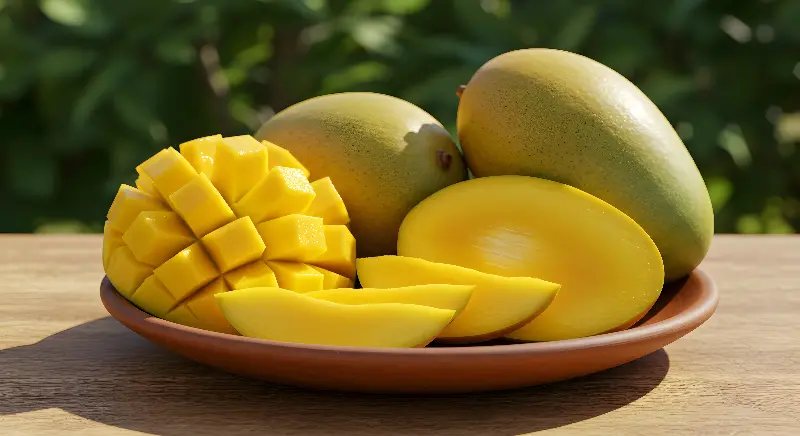
Native to South Asia, the mango has graced human civilization for over 4,000 years. Ancient scripts and temple carvings in India trace the lineage of the mango tree (Mangifera indica), tying it to gods and emperors alike. “Mango,” in fact, is derived from the Tamil word “mangkay.”
In Hindu mythology, the mango tree is considered sacred, symbolizing love, prosperity, and fertility. Mango leaves often adorn doorways during weddings and festivals in India, believed to invite good fortune and ward off evil. Even the Buddha is said to have found meditation under the shade of lush mango groves. From royal courts to village squares, mango motifs have colored poetry, art, and religion in South Asia for millennia.
The Global Voyage Of The Mango
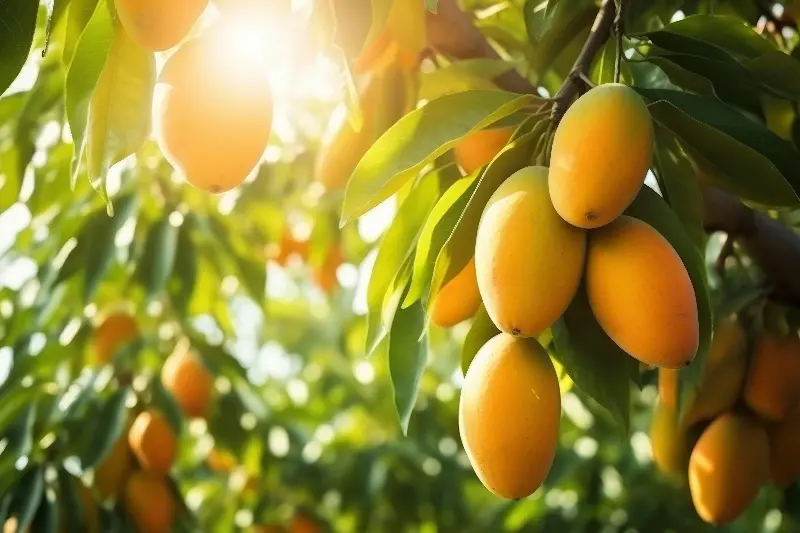
From its sacred beginnings, the mango’s journey across the globe is just as colorful. Persian traders first introduced the fruit outside India, leading to its cultivation in the Middle East and East Africa as early as the 10th century. Portuguese explorers carried mango seeds to Brazil and the West Indies in the 16th century, setting the stage for cultivation in the Americas.
Today, nearly every tropical and subtropical region cultivates mangoes, from Mexico and Egypt to Australia and the Philippines. The world produces more than 55 million tons of mangoes each year, making it the fifth most consumed fruit globally. And each region has fostered its own unique love affair with the fruit, adapting varieties and recipes to suit local tastes.
Cultural Significance And Celebrations
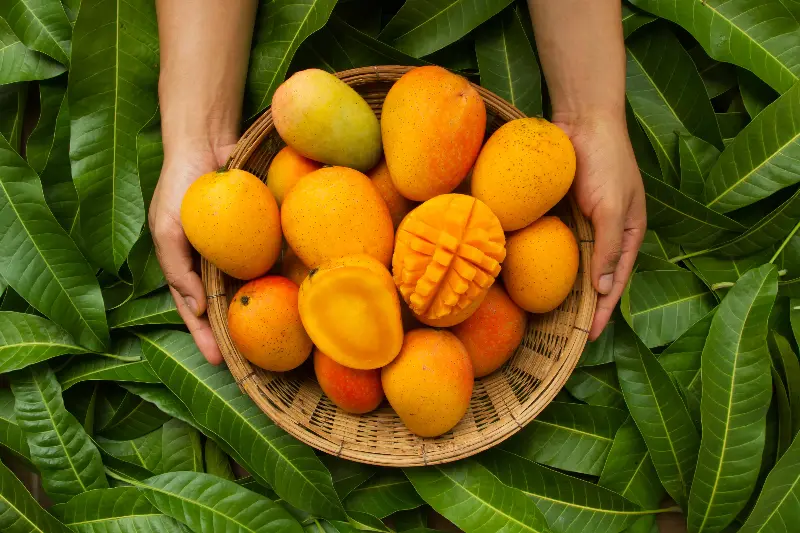
The mango is a centerpiece in countless cultural traditions and seasonal celebrations. In India, the arrival of mangoes is synonymous with the end of the harsh spring and the onset of bounty and warmth. Every region touts its own prized variety—Alphonso, Dasheri, Kesar, Langra, Himsagar, and more—each with cult followings and historic rivalries.
Mango festivals, often held in June and July, showcase hundreds of varieties and draw mango enthusiasts from around the world. In Pakistan, the Multan Mango Festival is a culinary extravaganza, while the Philippines celebrates the carabao mango with festive street parades.
No Indian wedding or special meal is complete without mango leaves strung across the threshold, and slices of fresh mango or glasses of creamy mango lassi gracing the tables. In centuries past, rulers exchanged baskets of the most exquisite mangoes as a token of diplomatic respect.
The Science Of Sweetness
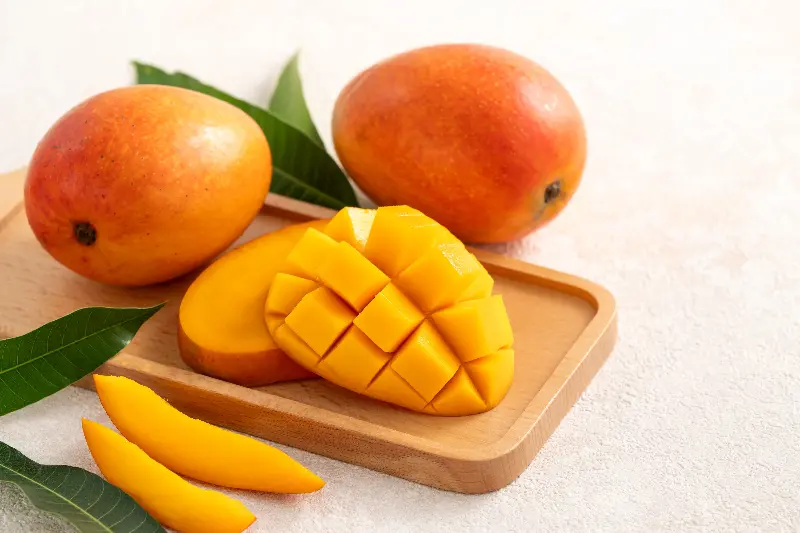
What gives the mango its irresistible allure? The secret lies in its unique chemical makeup. Mangoes are rich in over 400 volatile compounds that create the charming interplay of aromas and flavors—floral, fruity, honeyed, and just a hint of tart. Varieties vary widely; the Alphonso, for instance, is famed for its buttery sweetness and saffron hue, while the Haden, loved in Florida and Latin America, is robust and tangy.
Aside from their flavor, mangoes are a nutritional powerhouse. A single cup of sliced mango offers nearly all your daily vitamin C needs, along with vitamin A, fiber, and antioxidants. Mangoes are good for skin, digestion, and immunity—making them both a treat and a tonic.

From Street Snacks To Fine Dining
Mangoes are marvelously versatile in the kitchen, celebrated in both sweet and savory roles. In the tropics, nothing beats the simple pleasure of juicy slices dusted with chili-lime salt, sold at every street corner. Green, unripe mangoes are transformed into tangy pickles and chutneys, or dipped in spicy sauces from Thailand to Mexico.
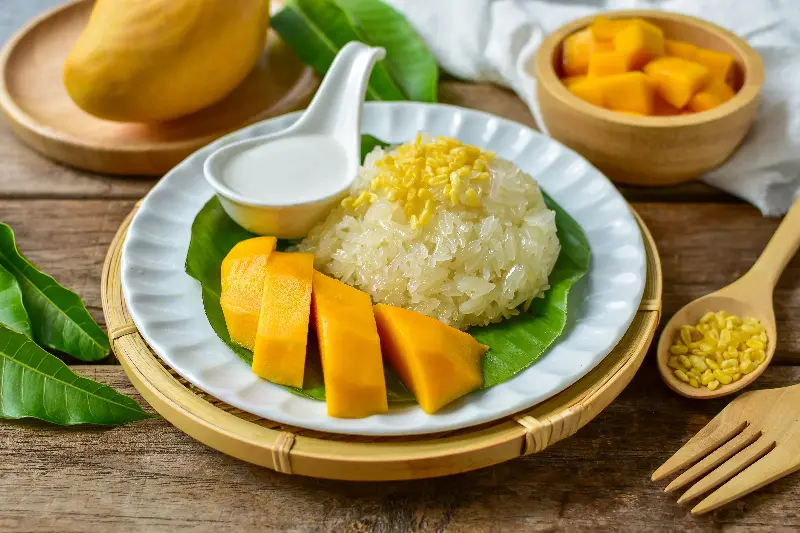
Mango pulp and puree form the base of desserts such as the Indian aamras or the Filipino mango float. Smoothies, sorbets, and milky lassis cool palates in the sweltering heat. And in fine dining, chefs pair mango with everything from spicy curries to ceviche, salmon, and panna cotta, marveling at the fruit’s ability to complement both sweet and savory dishes.
A Sustainable Future For Mango Lovers
As rising temperatures and changing rainfall patterns challenge traditional mango cultivation, researchers and farmers are working to safeguard the future of this beloved fruit. Efforts are underway to develop drought-resistant varieties and sustainable farming techniques, aiming to balance tradition and innovation for generations to come.
Mango tourism is also on the rise, with fruit-picking holidays and tasting tours inviting travelers to trace the journey from orchard to table. For those passionate about food and culture, the world of mangoes is both a living tradition and an unfolding adventure.
Whether you grew up savoring sticky slices in the height of summer or are just discovering the magic of mangoes, there’s never been a better time to celebrate this remarkable fruit. Next time you bite into a piece of ripe, sun-kissed mango, remember that you’re tasting not just a fruit, but a story woven across continents and centuries—truly, a delight for every sense and every season.