


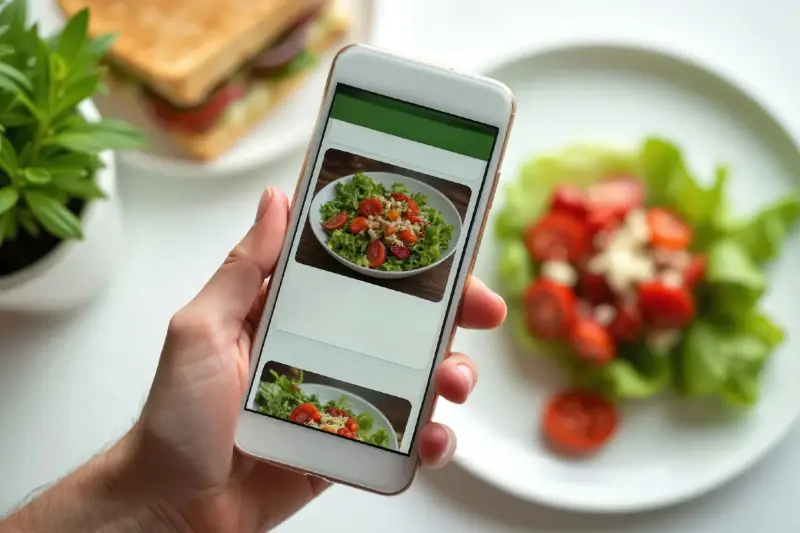
if you’ve ever found yourself scrolling endlessly through restaurant menus or waiting too long for a server to take your order, you’re not alone. casual dining culture is rapidly changing, and much of that transformation is thanks to personalized dining apps—tools that are putting control, customization, and convenience at your fingertips. but how exactly are these apps redefining the modern eating-out experience, and what does it mean for both diners and restaurant owners?
the age of instant personalization
personalization has taken over many aspects of our lives, from playlists on spotify to shopping on amazon. now, it’s changing how we eat out. personalized dining apps let users filter menus based on dietary restrictions, allergies, ingredient preferences, and even mood. for people with allergies or specific dietary needs—whether gluten-free, vegan, keto, or something else—these apps take the guesswork out of dining. instead of scanning an entire menu, users get curated choices tailored precisely to their tastes and health needs.
for example, apps like allset and upserve have built-in algorithms that adapt menus for each user. imagine a couple sitting down at a busy burger joint, one looking for vegetarian options and the other needing to avoid nuts. the app instantly rearranges the menu so both of them see only dishes relevant and safe for them. it saves time, reduces order anxiety, and helps make the overall experience feel a whole lot more personalized.
table order and payment: no more waiting
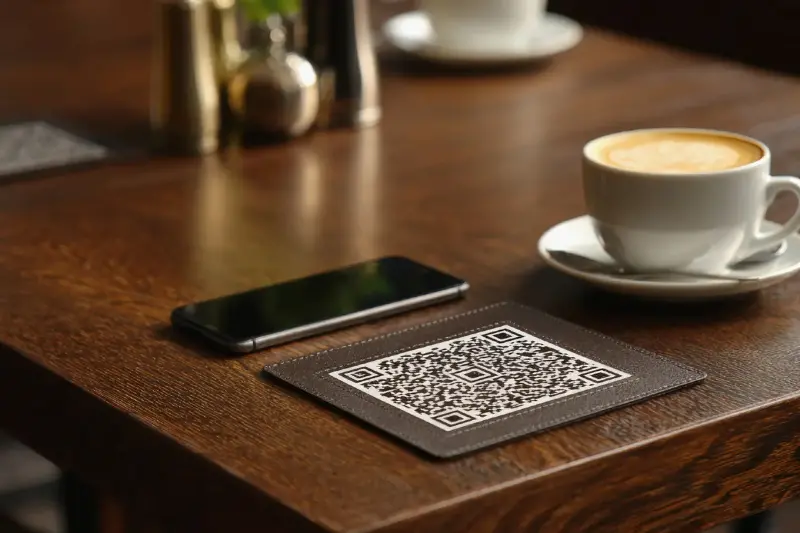
another big shift is the way people interact with restaurant staff. instead of waiting for a server to come by and take your order or bring the check, many casual dining restaurants now let you handle it all from your phone. you can book your table, browse the menu, order your food, customize it, and pay—all from an app.
chains like chili’s, applebee’s, and texas roadhouse are increasingly integrating these tools. not only does this make dining more efficient for customers, but it also helps restaurants manage labor shortages and streamline their operations. digital payment and order tracking cut down on mistakes, and diners don’t have to flag down a busy server just to add a side of fries or order another drink.
boosting loyalty and repeat visits
restaurants are using the rich data from these apps to create deeply personalized loyalty programs. with every order, apps learn more about customer habits, favorite dishes, and special occasions. using this information, businesses send targeted offers, birthday discounts, or reminders about dishes you loved last time. it feels less like generic mass marketing and more like a personal invitation back—almost like being a regular at your local diner, even if you’re trying someplace new.
for restaurants, this has big benefits: according to a 2023 report from the national restaurant association, digital loyalty and reward app members spend on average 23% more per visit than non-members. and as these apps get smarter, expect to see even more tailored promotions and exclusive experiences, like invite-only tasting menus or early access to seasonal specials.
social dining: reshaping how we eat together
personalized dining apps are also making it easier to coordinate group outings. apps can split checks, keep track of who ordered what, and even allow each person to customize add-ons to shared appetizers. for friend groups and families, this means less confusion at bill time and more time actually enjoying the meal and each other’s company.
some apps, such as tabbedout and resto, even allow groups to open a digital table, so friends arriving late can join and order seamlessly from the same bill. this level of flexibility fits especially well with casual dining’s emphasis on fun, relaxed social experiences.
tapping into local trends and tastes
personalized dining technology isn’t just about convenience—it’s changing what gets served, too. data collected from favorite flavors, trending ingredients, and user reviews give restaurants real-time feedback they can use to adjust their menus. for instance, if the app sees a sudden uptick in requests for a spicy vegan burger, managers can quickly stock up or test new items based on what customers actually want.
additionally, apps like zomato and yelp with built-in recommendation engines help diners discover trending dishes, hidden gems, and chef’s specials that match their profile, rather than relying solely on popular ratings.
making dining more inclusive
food allergies, cultural preferences, and wellness trends aren’t always front-of-mind for traditional menu design. personalized dining apps are making it easy for everyone to feel included and safe. users with peanut allergies can opt to see only safe dishes, while those keeping kosher or halal diets can filter menus accordingly. this is especially meaningful for groups with varied backgrounds, turning dining out into a more inclusive celebration for all.
the future flavor of casual dining
as technology advances, expect personalized dining apps to get even smarter. features likely on the horizon include real-time translation for international dishes, augmented reality previews of plates, or nutritionist tips that fit your goals. some up-and-coming apps are exploring voice ordering and ai-based wine pairing, adapting further to how individuals want to interact with food.
while not every diner is ready to trade in the traditional sit-down menu or face-to-face service, the numbers don’t lie: a 2024 pew research study reported that over 60% of u.s. adults aged 18-45 now prefer some form of digital ordering at casual restaurants. as this technology becomes more widespread, casual dining is set to become a more flexible, efficient, and altogether personalized experience—one that keeps people coming back for both the food and the uniquely tailored service.
in the end, personalized dining apps are not just eliminating hassles; they’re reshaping how we connect over a meal. whether you’re a foodie, a busy parent, or just hungry, your next restaurant meal is as unique as you are—no menu scanning, no awkward billing, just good food and great company, served your way.