


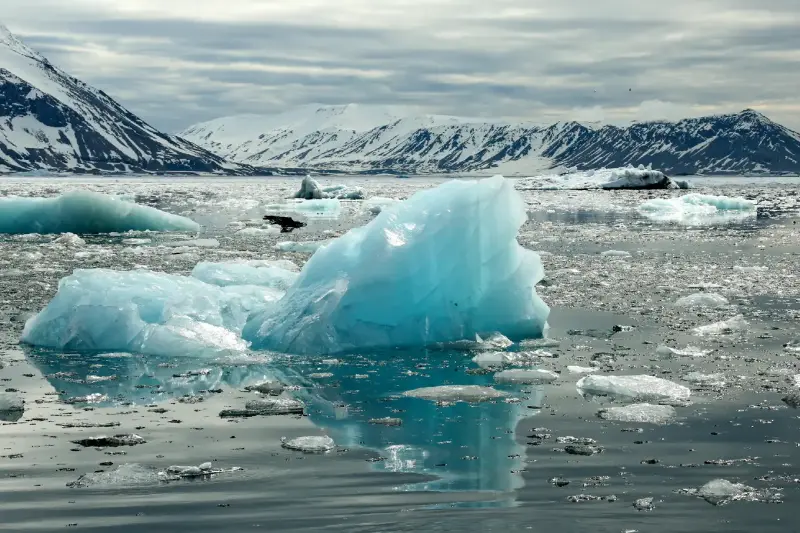
For decades, the gleaming expanse of Antarctic ice has been a harbinger of stability in a fast-changing world. But as ice across the White Continent now melts at an accelerating pace, scientists are sounding alarms—this isn’t just another warning. Antarctic ice loss could mark a critical climate tipping point, with consequences echoing far beyond its frozen shores.
Unravelling the Frozen Giant: What’s Happening in Antarctica?
Antarctica holds more than 60% of the world’s fresh water, locked within its colossal ice sheets. Yet, research from the past decade reveals that these ice sheets are no longer as stable as once believed. Recent satellite data points to a tripling of Antarctic ice loss since the 1990s, totalling almost 3 trillion tonnes vanished in less than three decades.
Much of this rapid melt is fuelled by:
- Rising global ocean temperatures, which warm the waters lapping beneath floating ice shelves
- Shifting wind patterns, pushing warmer air and water towards the continent
- Human-driven climate change, amplifying natural cycles with unprecedented speed
To imagine the scope, Antarctica’s vanished ice since the 1990s would be enough to fill more than 1.2 million Olympic swimming pools.
The Domino Effect: Why the World Should Care
At first glance, what happens at the chilly end of the Earth may seem distant. But the loss of Antarctic ice sets off a cascade of changes with worldwide impact.
Here’s why it matters:
- Rising sea levels: Melting Antarctic ice is a principal driver of global sea-level rise. Scientists warn that if the West Antarctic Ice Sheet collapses—a possibility within this century—seas could rise by over 3.3 metres. This would threaten cities from London to Shanghai, potentially displacing millions.
- Ocean circulation disruption: Vast amounts of cold, fresh meltwater can alter ocean currents that regulate the climate, such as the global ‘conveyor belt’ that brings warmth to Europe and shapes global weather.
- Ecosystem transformation: Antarctic waters, rich with microscopic life, support entire ocean food webs. Turbulence from melt disrupts these systems, leaving seals, penguins—and ultimately, humans—caught in the ripple effects.
As one scientist put it: “What happens in Antarctica doesn’t stay in Antarctica.”
Tipping Points: The Point of No Return?
The concept of a “climate tipping point” haunts the current conversation. It’s the threshold where small changes suddenly trigger large, irreversible impacts—and there are mounting signs Antarctica is nearing one.
Why is this so alarming?
- Once critical parts of the ice sheet break off or melt past a certain point, gravity and ocean currents can spiral the loss out of human control.
- Current models suggest the collapse of just one major Antarctic ice shelf could unleash unstoppable melt, with sea level rise continuing for centuries even if emissions were cut to zero overnight.
It’s a race against time between global action and irreversible change.
What Can Be Done? The Role of Global Action
Even while the situation is urgent, scientists underscore there is still time to act. Decisive steps taken this decade could help stabilise the Antarctic ice sheets.
Key priority actions include:
- Drastically reducing greenhouse gas emissions
- Investing in resilient infrastructure for coastal communities
- Supporting ongoing scientific monitoring and international cooperation in Antarctica
The Antarctic’s future is tightly bound to the choices humanity makes today. Small shifts, multiplied globally, can steer the trajectory back from the brink.
If we are the architects of climate change, we can also be the builders of its solution.
As we peer into the future, the fate of Antarctica raises a profound question: Will we treat its warning as a call to collective action, or allow its silent thaw to mark a turning point for life as we know it? The answers, as fragile as the ice itself, remain in our hands.