


Do Birds Pass Down Culture? Surprising Clues from the Sky
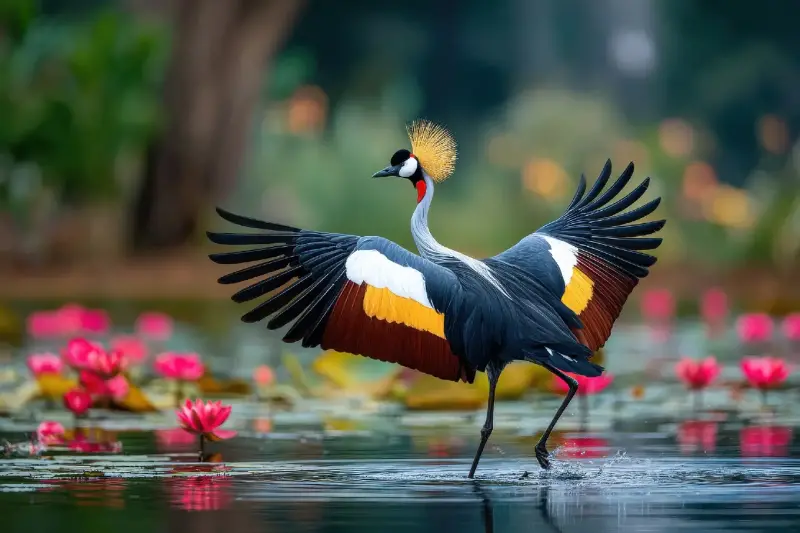
When we think of culture, we often picture ancient art, folk songs or family recipes handed down over generations by people. But what if the roots of culture stretch far wider and deeper in the animal kingdom? Recent research now suggests that birds may share, teach, and inherit traditions—hinting that they, too, possess a sense of culture.
Songs and Skills: Nature’s Classroom
Unlike inherited traits coded in DNA, culture describes unique behaviours passed socially from one individual to another. For decades, scientists have marvelled at how certain bird species, such as songbirds and parrots, develop local dialects and signature tunes.
Studies have found that young birds tend to mimic the calls and songs they hear from older members of their flock. But there’s more: researchers from the University of Cambridge revealed that some bird populations modify their tunes in real time, adopting new variations and discarding old ones—a process eerily similar to human trends in language and music.
Some key cultural traits observed in birds include:
- Regional song dialects: Neighbouring flocks often communicate in distinct “accents,” shaped by geography.
- Unique tool use: New Caledonian crows, for example, craft and teach others to use hooked sticks for extracting insects.
- Ritual dances and displays: Male birds of paradise perform elaborate group dances, and these choreographies can differ between communities.
Such findings hint at a surprising depth of learning and sharing—nature’s classroom, indeed.
Traditions in Feathers: Passing Knowledge Across Generations
Groundbreaking experiments have helped confirm that birds don’t just inherit habits, but actively learn from each other through observation and participation. A recent study documented how zebra finches, raised in isolation, developed simplified songs. When introduced back into established groups, these outlier tunes were quickly abandoned in favour of the community’s more complex melodies.
In another example, Australian fairy-wrens teach their chicks special password calls to identify each other and ward off cuckoo imposters. These calls are not hardwired but taught—evidence that traditions and teaching skills run deep in avian societies.
Birds seem to have a remarkable capacity to teach, listen, and remember. The more scholars look, the more avian culture mirrors our own in startling ways.
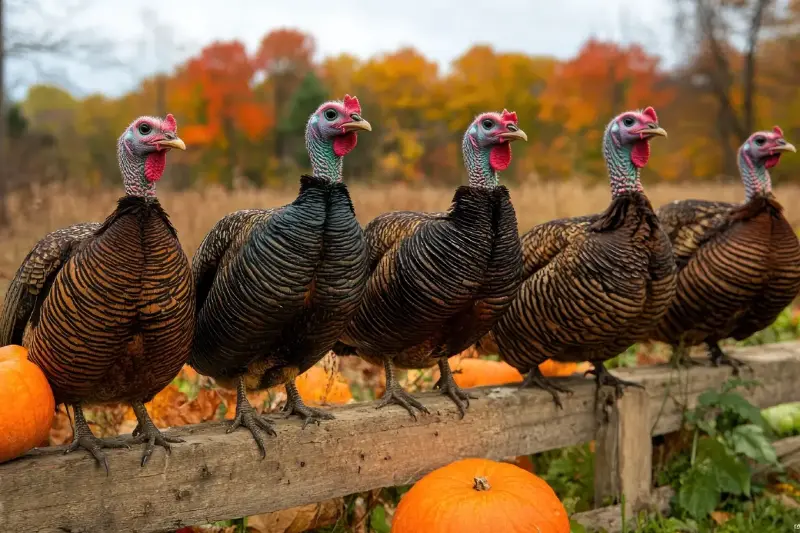
Rewriting What We Know About Animal Intelligence
The growing body of evidence forces us to rethink the limits of animal intelligence. Can we continue to claim “culture” as our uniquely human domain if crows, parrots, and wrens clearly share, refine, and preserve skills beyond instinct?
Recent discoveries have led scientists to redefine animal culture more broadly. According to Dr. Lucy Aplin, a behavioural ecologist, “Birds demonstrate the social transmission of information—some traditions can persist for decades, even centuries. This is culture, plain and simple.”
Some compelling takeaways include:
- Bird culture is not a fluke—it is found across continents and habitats, from city songbirds to wild crows.
- Birds not only learn from their elders but influence each other; popular behaviours can sweep through populations remarkably fast.
- Avian cultural traditions may help birds adapt to changing environments, form stronger social bonds, and even outsmart predators.
What Could Be Next for Bird Traditions?
As researchers race to unlock more secrets from the avian world, every new discovery brings fresh questions. Could cross-generational teaching help birds survive in a rapidly changing world? What lessons might we learn from their resilience and creativity?
If culture belongs not only to us, but to all creatures with the capacity to learn, change, and remember, then our world is far richer and more interconnected than we ever imagined. The next time you catch a birdsong at dawn, consider: you may be listening to a tradition older, and wiser, than history itself.