


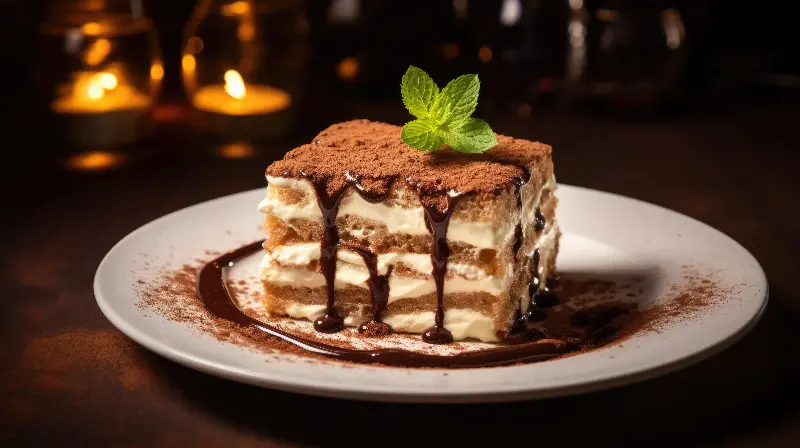
Tiramisu isn’t just a dessert; it’s a cultural phenomenon. With its irresistible layers of espresso-soaked ladyfingers, creamy mascarpone, and a dusting of cocoa, tiramisu has become a global superstar on dessert menus everywhere. But how did this delightful treat, born in the heart of Italy, manage to capture taste buds all over the world? The journey of tiramisu from a humble Italian invention to a worldwide culinary legend is as rich and layered as the dessert itself.
The Birth Of Tiramisu: Myths, Legends, And A Little Bit Of Magic
The true origin of tiramisu is shrouded in mystery, with several regions in Italy claiming authorship. The word “tiramisu” translates to “pick me up” or “cheer me up” in Italian, which is quite fitting given the dessert’s combination of strong coffee and creamy sweetness. While there are tales suggesting tiramisu dates back to the Renaissance, most culinary historians agree it was invented in the late 1960s or early 1970s.
Treviso, a small city near Venice in the region of Veneto, is widely regarded as the birthplace of tiramisu. According to one popular story, Le Beccherie, a family-run restaurant in Treviso, served the first tiramisu in 1969. The original recipe is credited to pastry chef Roberto Linguanotto and the restaurant owner Alba Campeol, who allegedly created the dish as an energy-boosting treat for new mothers. Other regions like Friuli Venezia Giulia also claim to have concocted the first tiramisu, but the Treviso origin story has secured a place in culinary lore.
What Makes Tiramisu So Special?
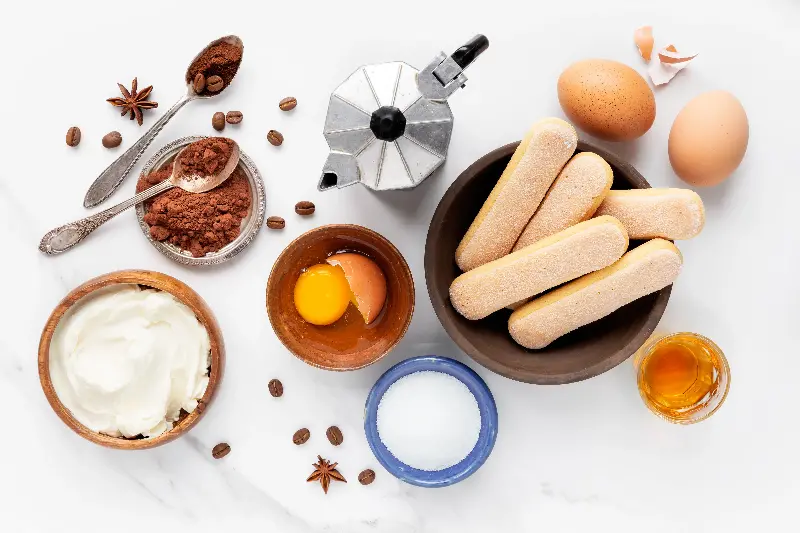
At first glance, tiramisu’s ingredients seem simple: ladyfingers (savoiardi), mascarpone cheese, eggs, sugar, espresso, and cocoa powder. Yet, it’s the harmony of textures and flavors that sets tiramisu apart. The delicate sponge of espresso-drenched ladyfingers provides the perfect contrast to the luscious mascarpone cream. Each bite offers a soft, creamy sensation paired with the unmistakable bitterness of espresso and the earthy notes of cocoa.
Mascarpone is the dazzling star in tiramisu’s cast. Its rich, velvety texture creates the dessert’s signature smoothness. Meanwhile, the use of espresso instead of regular coffee gives tiramisu a bold, aromatic quality that perfectly balances the sweetness of the cream and sugar.
Many Italian grandmothers insist on using raw eggs for the most authentic tiramisu, gently folding the yolks and whites for a light and airy finish. Meanwhile, outside Italy, variations abound with added cream, flavorings like amaretto or marsala wine, and even fruit.
From Italian Secret To International Sensation
Tiramisu took its first steps outside Italy’s borders in the late 20th century. Italian emigrants and international travelers played a huge part in carrying the recipe abroad, serving tiramisu at family gatherings and in chic urban restaurants. By the 1980s and 1990s, it was popping up on dessert menus in New York, London, Tokyo, Buenos Aires, and beyond.
Its ascendance was perfectly timed with the rise of Italian cuisine’s popularity on the global stage. As trattorias and Italian bistros opened across the world, the demand for authentic desserts soared, and tiramisu quickly outshined other options. Its no-bake preparation made it easy to recreate outside of Italy, and the ingredients were accessible in most countries. The dish became synonymous with Italian indulgence, a sweet ambassador for the country’s culinary heritage.
Tiramisu’s fame only grew with its appearance in pop culture. From mention in Hollywood films to TV cooking competitions like “MasterChef” and “The Great British Bake Off,” tiramisu became a crowd-pleaser and a rite of passage for aspiring chefs. Today, it’s rare to find an Italian restaurant that doesn’t offer this treat; even chain coffee shops and supermarkets have their own ready-to-eat versions.
Global Twists On A Classic
As tiramisu conquered the world, creative chefs and home bakers put their own twist on the dessert. In France, some add a splash of cognac or rum for extra sophistication. In Japan, matcha tiramisu swaps espresso for powdered green tea, creating a vibrant green and uniquely flavored variation. The United States boasts pumpkin tiramisu for autumn celebrations and even vegan versions using dairy alternatives.
Tiramisu also appears in trendy new forms like mousses, cupcakes, and layer cakes, proving its versatility. There are even savory versions featuring ingredients like smoked salmon and avocado, though purists may be skeptical!

A Sweet Legacy That Still Grows
Despite its relatively young age compared to ancient desserts, tiramisu holds a timeless charm. Its worldwide success lies in its ability to blend tradition with adaptability, offering familiar comfort while welcoming innovation. Whether savored the classic Italian way or with an inventive twist, tiramisu is more than dessert—it’s a symbol of celebration, connection, and culinary creativity.
Next time you dig your spoon into the creamy layers of tiramisu, remember: you’re tasting a piece of modern food history. No matter where you are in the world, tiramisu has the power to cheer you up—just as its name promises.