


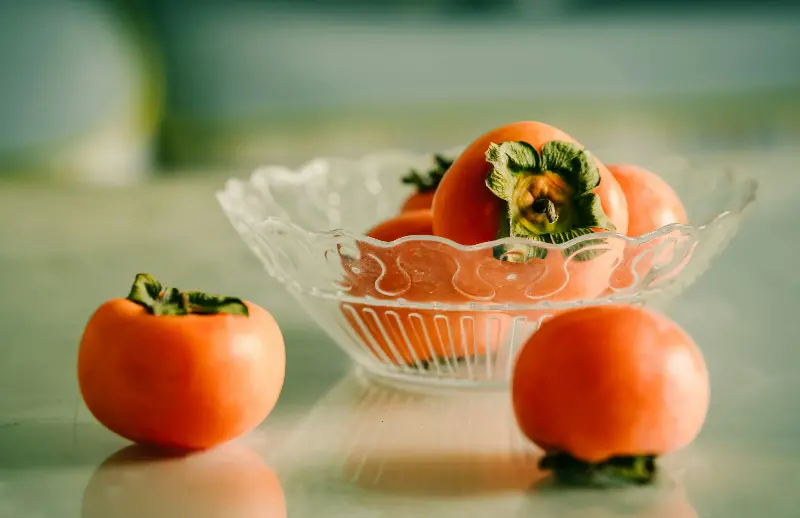
With its fiery hues and honeyed sweetness, the humble persimmon has transformed from an ancient forest fruit to a global cultural and culinary icon. Whether roasted in Korean winter markets, adorning Japanese New Year tables, or elevating Mediterranean desserts, the persimmon’s climb from a wild woodland treat to superstar status is both fascinating and delicious.
Ancient Roots And Global Journeys
The persimmon story begins thousands of years ago in East Asia. Native to China, the species Diospyros kaki—commonly known as “kaki” or Japanese persimmon—was first cultivated over 2,000 years ago. In China, it is considered a symbol of luck and longevity, often gifted to friends and family for auspicious occasions. Early records show that it was both food and medicine, believed to soothe constipation and lower blood pressure. Its spread through Korea and Japan solidified its status as a cherished autumn and winter fruit.
As trade routes expanded, so did the persimmon. By the 19th century, it had found new homes in the Mediterranean, the United States, South America, and beyond. American settlers discovered their own native species—Diospyros virginiana, or American persimmon—thriving in forests from New England to Texas. Both American and Asian persimmons, today, gratify taste buds across continents.
Adored In Kitchens Worldwide
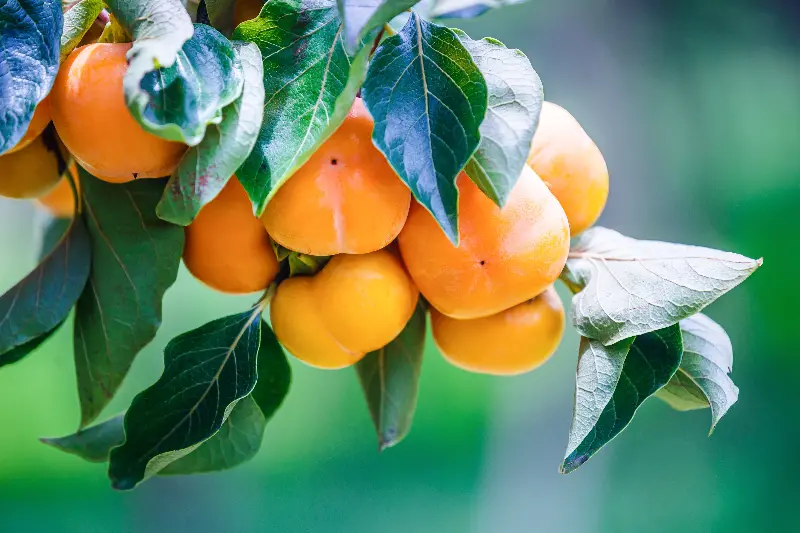
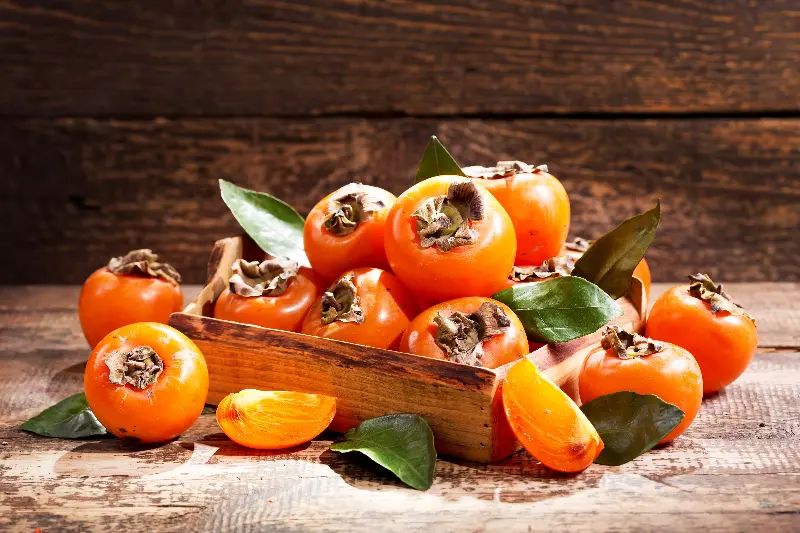
What makes persimmons stand out in kitchens around the world is their versatile flavor and texture. The fruit comes in an array of shapes and colors, but the edible varieties fall into two main groups: astringent and non-astringent. The astringent types, like the renowned ‘Hachiya,’ must be eaten fully ripened until almost jelly-soft; only then do their rich, honey-like flavors shine, without the mouth-puckering bitterness. Non-astringent varieties, such as the squat, tomato-shaped ‘Fuyu,’ are eaten while crisp, offering mild sweetness and a refreshing crunch.
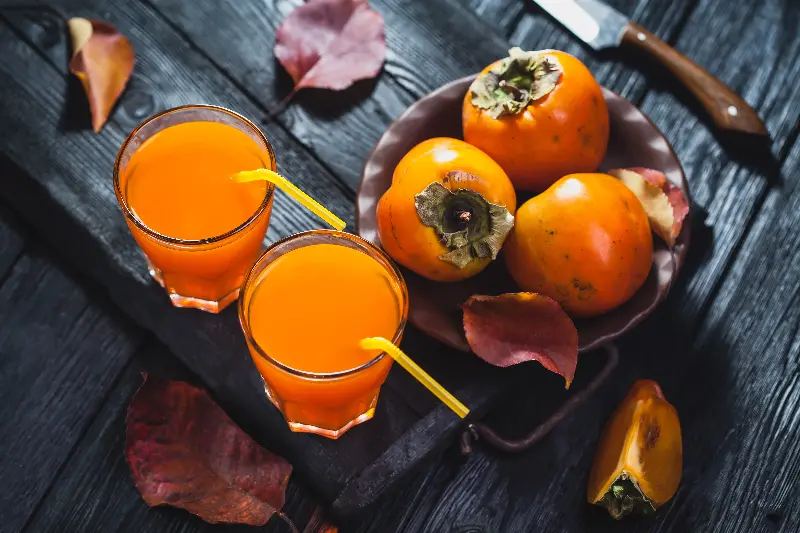
Persimmons can be eaten raw, sliced in salads, puréed into smoothies, or dried to chewy “fruit leather.” In Japan, “hoshigaki” is a traditional method for air-drying persimmons, producing a delicacy prized for its candy-like sweetness. Korea’s “gotgam” is served alongside tea or used as a core ingredient in desserts like “sujeonggwa,” a spiced persimmon punch known to warm cold winter nights.
Spain and Italy have also embraced the fruit, with “caqui” and “kaki” recipes blending European flair with Asian tradition. In the American South, wild persimmons star in puddings and breads—a true testament to the fruit’s cross-cultural appeal.

Symbolism And Celebration
Persimmons aren’t only valued as food; they symbolize prosperity, transformation, and health in many cultures. In China, paintings and porcelain often feature persimmons alongside pomegranates and peaches, representing abundance and good fortune. During the Japanese New Year, persimmons are displayed for their auspicious orange color, promising a year of happiness and success.
The fruit’s resilience is also celebrated. Persimmon trees are slow to mature and can endure frigid winters, reminding many cultures of overcoming adversity. This symbolism appears in Korean proverbs, where a wise grandmother bribes a troublesome tiger with persimmons, illustrating the fruit’s gentle and enduring virtue.
Nutritional Bounty And Culinary Potential
Beyond cultural importance, persimmons are gaining recognition as a nutritional powerhouse. Packed with vitamin A, vitamin C, fiber, and antioxidants, the fruit delivers a health-promoting punch. Its high beta-carotene content benefits eye and skin health, while the rich fiber supports digestion and heart health. The natural sweetness comes with a low fat and sodium profile, offering guilt-free indulgence.
Culinary innovators are increasingly tapping into persimmon potential. Chefs and foodies everywhere are adding it to winter salads, roasting slices to pair with gamy meats, and blending the fruit into cocktails and jams. Even the leaves are transformed into herbal teas across East Asia, introducing subtle flavors and purported medicinal benefits.
From Backyard Gardens To The Big Screen
The rise of persimmons in global pop culture is an intriguing chapter of their story. Video games, like Nintendo’s Animal Crossing, feature persimmon trees alongside classic apples and cherries, highlighting their move into the mainstream imagination. Food stylists and Instagram influencers love the eye-popping color of persimmon slices, pushing the fruit to viral fame every autumn.
In urban landscapes from Los Angeles to Rome, backyard gardeners compete to grow the juiciest, most photogenic persimmons. Even architecture has jumped on board, with eco-homes in Japan choosing persimmon wood for its luminous orange grain.

Why The World Can’t Get Enough
Ultimately, persimmon’s rise to stardom is about much more than its taste. It’s a fruit that bridges the past and present, tradition and innovation, East and West. Bursting with flavor, folklore, and nutrients, persimmons have found their place at the world’s tables—and in the world’s hearts.
The next time you spot a persimmon at the market, know that you are holding more than just a piece of fruit. You’re savoring a slice of global history, a canvas for culinary creation, and a symbol of culture’s sweet, enduring power.