


In a world where first impressions can make or break opportunities, the way we dress plays a paramount role in our daily lives. While off-the-rack clothes are the go-to for most people, nothing beats the allure of a perfectly tailored outfit that seems like it has been sculpted just for you. For those who are not veterans in the world of alterations but wish their clothes would hug their curves or fall just right, this guide is your starting point to understanding and mastering the basics of clothing alterations.
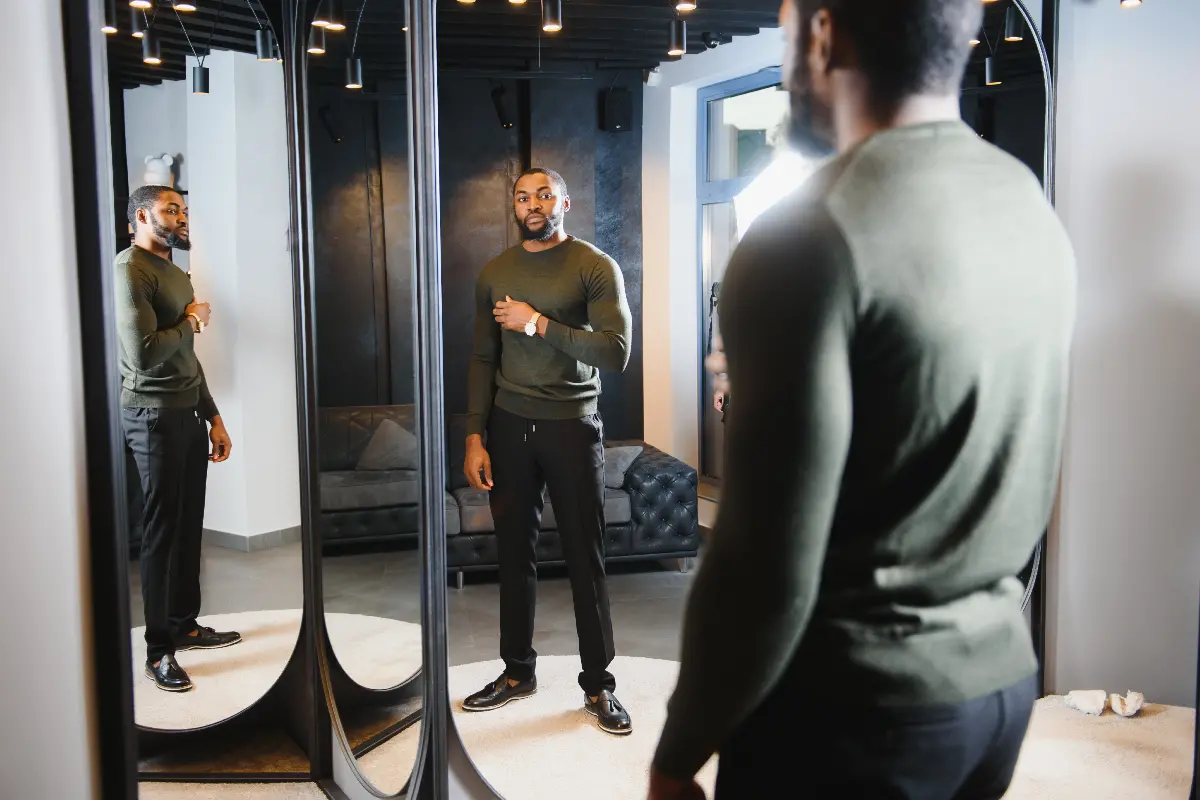
Understanding the importance of a good fit is where we begin. A well-fitted garment can enhance your best features and hide the imperfections, making you look more polished and put-together. It's a discreet secret of the stylish: clothes don't need to be expensive to look high-end; they simply need to fit perfectly.
Before diving into alterations, let’s address the misconception that tailoring is costly and time-consuming. While it's true that intricate alterations can add up, simple tweaks are often quite affordable and can transform your wardrobe without breaking the bank. More importantly, investing in tailoring can save you money in the long run, as a perfectly tailored piece is timeless and will last longer due to the quality of the work and the likelihood that you'll want to wear it more often.
When looking to alter your garment, start by assessing what needs to be done. Some common types of alterations include hemming, taking in or letting out seams, shortening sleeves, and adjusting shoulder seams. Understanding what changes are possible can help you manage your expectations and communicate effectively with your tailor.
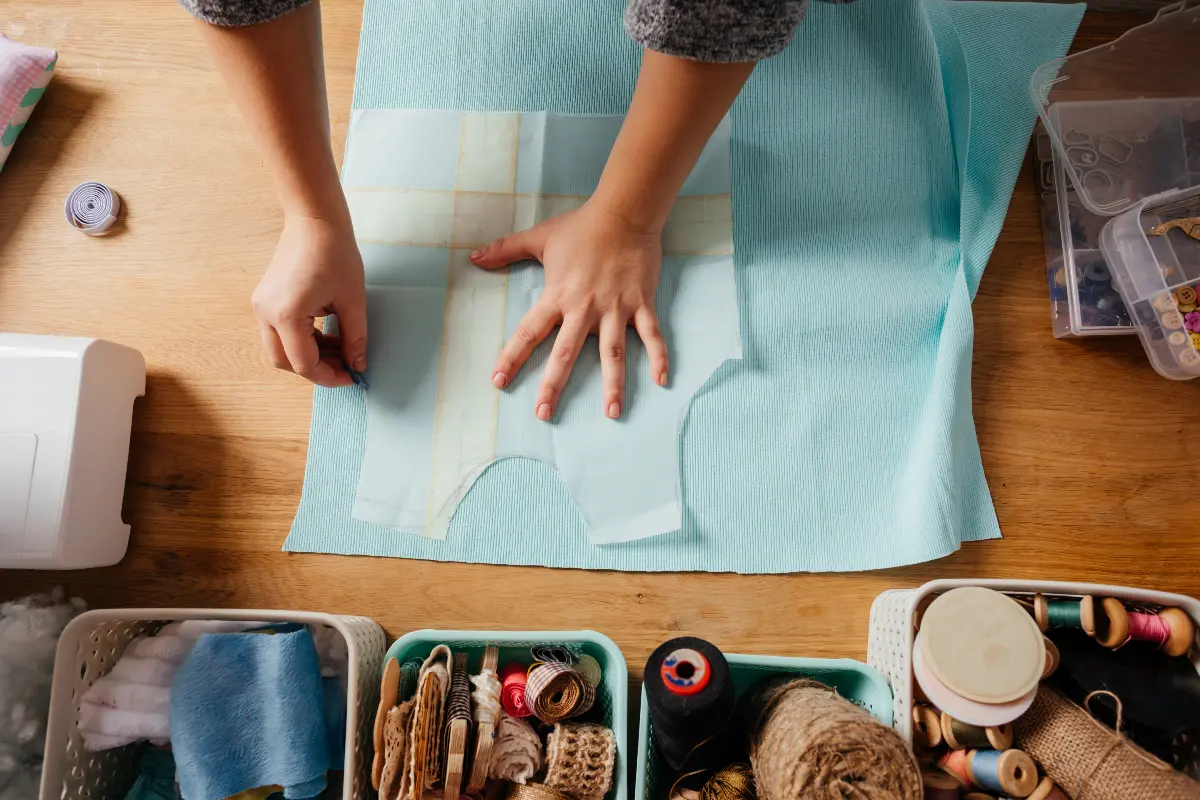
Hemming is perhaps the most straightforward alteration. Trousils or skirts that drag on the ground not only look unkempt but also get worn out quickly. Shortening the length to graze your shoe effectively elongates your silhouette, creating a sharp, tailored look. Likewise, sleeves that are too long can be shortened for a better fit. Always wear the shoes or the specific heel height you intend to wear with the garment when getting it hemmed for accuracy.
Seam adjustments are a little more complex. If a shirt, dress, or jacket fits perfectly around your shoulders but is too loose around the waist, having the side seams taken in can dramatically improve the fit. This is also a common alteration for pants that fit well around the waist but may be too baggy around the thighs or calves.
Adjusting the shoulders of a garment is one of the more involved alterations. A good fit on the shoulders is crucial; it's the foundation upon which the rest of the garment hangs. If this area is not correctly fitted, the item will never look right, no matter how many other adjustments you make. This particular alteration should be reserved for high-quality pieces due to its complexity and the associated costs.
Consider the fabric and construction of the item before deciding on alterations. Some materials, like leather and heavily beaded fabrics, require specialised skills to alter; thus, not every tailor may be equipped to handle them. Additionally, understand that not all garments can be altered. Items with certain prints, patterns, or embellishments that would be disrupted by alterations are usually not good candidates.

When choosing a tailor, look for reviews or ask for recommendations. A skilled tailor can make all the difference in achieving a flawless fit. Communication is key; be clear about what you want, but also be open to suggestions from professionals.
As you become comfortable with basic alterations, you may begin to explore more advanced tailoring options. This includes restructuring a garment, altering necklines, or even adding or removing pockets. These types of alterations can reinvent an item, giving it a new lease on life.
Remember to consider the cost of alterations when purchasing new clothing. If a piece is on sale but doesn't fit correctly, factor in the tailoring cost to determine if it's still a worthwhile buy. In some cases, a cheap item with alteration costs can end up being more expensive than buying a similar, better-fitting garment at full price.
In conclusion, clothing alterations can help you elevate your wardrobe and present yourself in the best light possible. It's a step into personalising your clothes to reflect your style and body shape, bridging the gap between generic sizing and an exclusively tailored look. Investing in a few well-altered pieces can put you on the path to a confident, stylish presence, whether at work, on casual outings, or at formal events. Embrace tailoring as a tool for personal development, and watch as your clothes open doors to new opportunities and compliments, one stitch at a time.