


Outrage, humor, and confusion swirl after Trump's latest AI-generated video posts
A new wave of controversy broke out Saturday after President Donald Trump posted a series of AI-generated videos to his Truth Social account, just hours after massive “No Kings” protests filled streets across the country. The bizarre nature and tone of the videos—ranging from futuristic health claims to satirical portrayals of Trump as a monarch—have fired up social media and added an unpredictable element to an already volatile political weekend.
Key facts and developments
- One deepfake video, styled to resemble a Fox News segment, showed Trump in the Oval Office announcing a "historic new healthcare system" and touting so-called “MedBed cards” that would supposedly cure all diseases. The video also featured his daughter-in-law, Lara Trump, and was linked to QAnon conspiracy theories. The post was deleted roughly 12 hours later, but not before sparking confusion and outrage, with critics denouncing it as dangerous misinformation.
- Almost simultaneously, Trump posted another AI video depicting himself in a fighter jet labeled “King Trump,” flying over New York’s Times Square and dumping mud on crowds of “No Kings” protesters and influencer Harry Sisson. The video quickly went viral, with supporters laughing it off and critics accusing Trump of mocking the pro-democracy movement.
- Additional posts flooded Trump’s accounts, including imagery of President Biden and Vice President Harris depicted as monarchs, lampooning what the Trump camp calls Democratic “authoritarianism” and fueling online debates around democracy, leadership, and digital ethics.
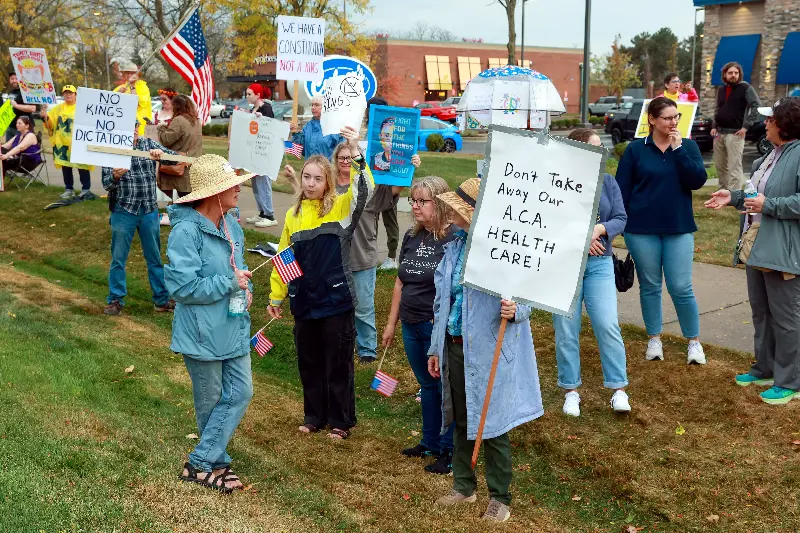
- “No Kings” rallies, which reference what activists call Trump’s “expansion of executive power,” drew an estimated seven million participants nationwide on Saturday, with major demonstrations in cities from New York to Los Angeles and Washington, D.C.. Protesters chanted, “This is what democracy looks like!” while waving signs calling for checks on presidential authority.
- The crowd reaction was intense: some Trump loyalists praised the posts for their humor and showmanship, but many Americans described the content as dangerous, dismissive of protester concerns, and emblematic of widening political divides.
Takeaway: performance politics in the AI age
Emotional responses to Trump’s AI videos ranged from laughter to fear. Supporters saw them as playful trolling, a wink at critics during a tense political moment. Others viewed the content as troubling, particularly in light of growing worries about AI-driven misinformation and democratic backsliding.
- The atmosphere was charged: at rallies, some embraced the spectacle with humor, while others expressed real anxiety about the blurred line between satire, propaganda, and reality.
- As social media lit up with debate, many urged new safeguards against deepfakes, arguing the current digital landscape leaves Americans vulnerable to confusion and manipulation.
- Trump’s digital maneuvering—whether calculated or not—has again pulled national attention to the intersection of technology, truth, and political power.
The events of the last 24 hours have left both sides energized—and anxious. The only certainty in this digital-first age of politics is that the next viral moment may be even stranger.