


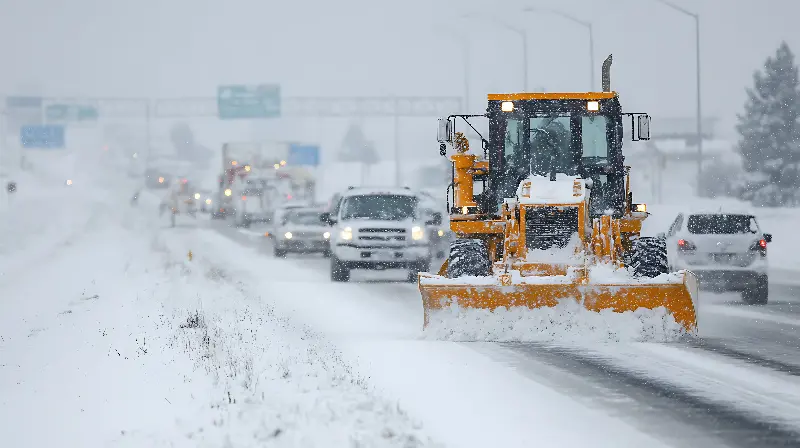
Shifting Patterns and High Hopes as Winter Approaches
Early forecasts for the 2025-2026 winter snowfall season are igniting excitement across the US, with talk of big storms, returning cold snaps, and fresh powder for ski resorts. As communities brace for the first flakes, meteorologists are closely watching global weather patterns—especially the emerging weak La Niña—to predict what lies ahead.
The anticipation is palpable in cities like Buffalo, New York, and Minneapolis, where winter weather enthusiasts and anxious travelers alike are bracing for what could be a snowier season than last year. Social media is buzzing with hopeful posts from skiers and nervous updates from commuters, all waiting for winter’s official arrival.
Key Developments: What the Forecasts Reveal
Meteorologists from NOAA and private weather services point to several key trends and predictions for the upcoming winter:
- Early Storms, Late Surges: Major storms are expected to hit both at the start and the close of the season, with quieter stretches in between.
- Midwest and Northeast on Alert: Both regions could see more snow than last winter. Cities like Philadelphia, New York, and Boston may chalk up bigger totals, though many places could still fall shy of long-term historical averages.
- Lake-Effect Snow in the Great Lakes: December storms are forecast to bring heavy lake-effect snow, with Buffalo projected to receive 90–100 inches—more than last year, generating both excitement and caution among locals.
- La Niña’s Subtle Impact: With a weak La Niña on the horizon, weather experts expect moderate disruptions, especially in the north-central US, where past weak La Niñas have delivered especially snowy winters. In contrast, the Pacific Northwest may see less snow than usual.
- Climate Change in the Mix: Despite seasonal surges, long-term trends show winter snow shrinking in many US regions. Warmer temperatures mean more precipitation falls as rain instead of snow, especially in the Northeast and Midwest. Residents and scientists alike are wrestling with the implications of these gradual but profound shifts.
For ski resorts, a flurry of early-season storms could offer a strong start, but a predicted lull midwinter has some slope operators preparing for sparse periods before storms pick up again toward spring. "It’s a bit of a rollercoaster forecast this year," remarked one resort manager, echoing the mixed emotions across snow country.
Takeaway: Emotional Stakes and Cautious Optimism
If you love snow, this season brings cautious optimism. While not every storm will materialize as forecasted—and some regions will see more rain than snow—there’s plenty of potential for classic wintry scenes, especially in the Midwest, Great Lakes, and Northeast.
Crowds in ski towns remain upbeat, with local businesses hoping for a bustling start. In areas expecting heavy lake-effect snow, some residents are stockpiling salt and preparing snow blowers, while kids excitedly watch the sky for those first swirling flakes.
Still, meteorologists urge flexibility. As one NOAA forecaster told listeners, “Don’t let your guard down. Even weaker La Niña years can bring unexpected blizzards, especially up north. Keep those shovels handy—and your snow days flexible!”
Whether you’re praying for powder or dreading the commute, one thing is certain: winter 2025-26 promises unpredictability—and perhaps more chances than last year to build a snowman or cancel school for a snow day.