


Good food is the cornerstone of great health and the heart of a vibrant home, but keeping it fresh can sometimes feel like battling against time itself. In our tropical Malaysian climate, food can spoil quickly due to high humidity and temperatures. But fear not, as there are plenty of ways to extend the life of your groceries. In this article, we'll share some savvy tips to help you keep your food lasting longer, saving you both time and money.
Let's start with fruits and vegetables, which are staples in our Malaysian diet. Did you know that ethylene-producing fruits such as bananas, apples, and tomatoes can hasten the ripening and spoiling of other produce? To combat this, store these ethylene producers separately. Also, make use of your refrigerator's crisper drawer. This compartment is designed to maintain an ideal environment for your greens, keeping them crispy and fresh for a prolonged period.
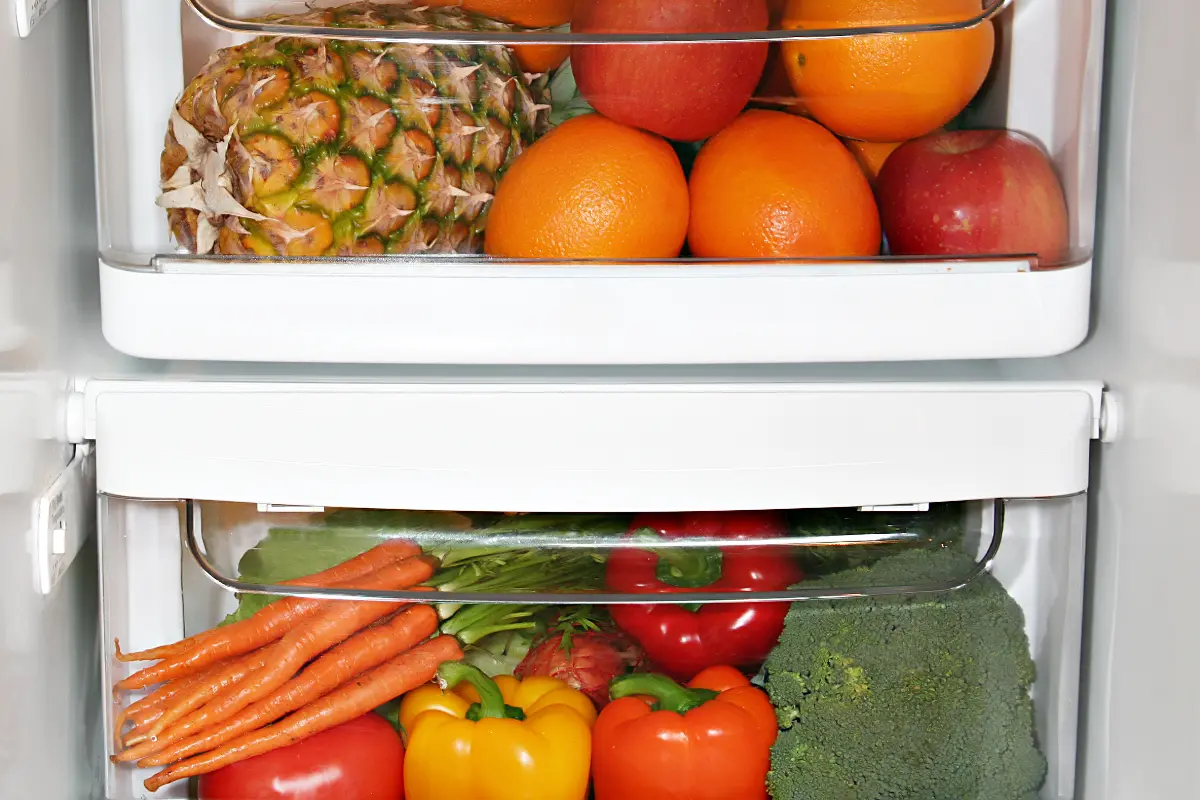
But not all vegetables should be refrigerated. Onions, garlic, and potatoes prefer cool, dark places with good ventilation. And here’s a tip: store onions and potatoes separately; their close proximity can cause them to spoil faster.
Herbs also demand special attention. Treat them as you would flowers; place them stem-down in a glass of water and cover them with a plastic bag. For heartier herbs like rosemary or thyme, you can wrap them in a damp paper towel and seal them in a container.
Freezing is another excellent way to preserve the freshness of food. However, it's not as simple as tossing things into the freezer. For instance, freezing raw vegetables without blanching them first can turn them mushy. Blanching – briefly boiling and then plunging into ice water – stops enzyme actions which can cause loss of flavor and texture.
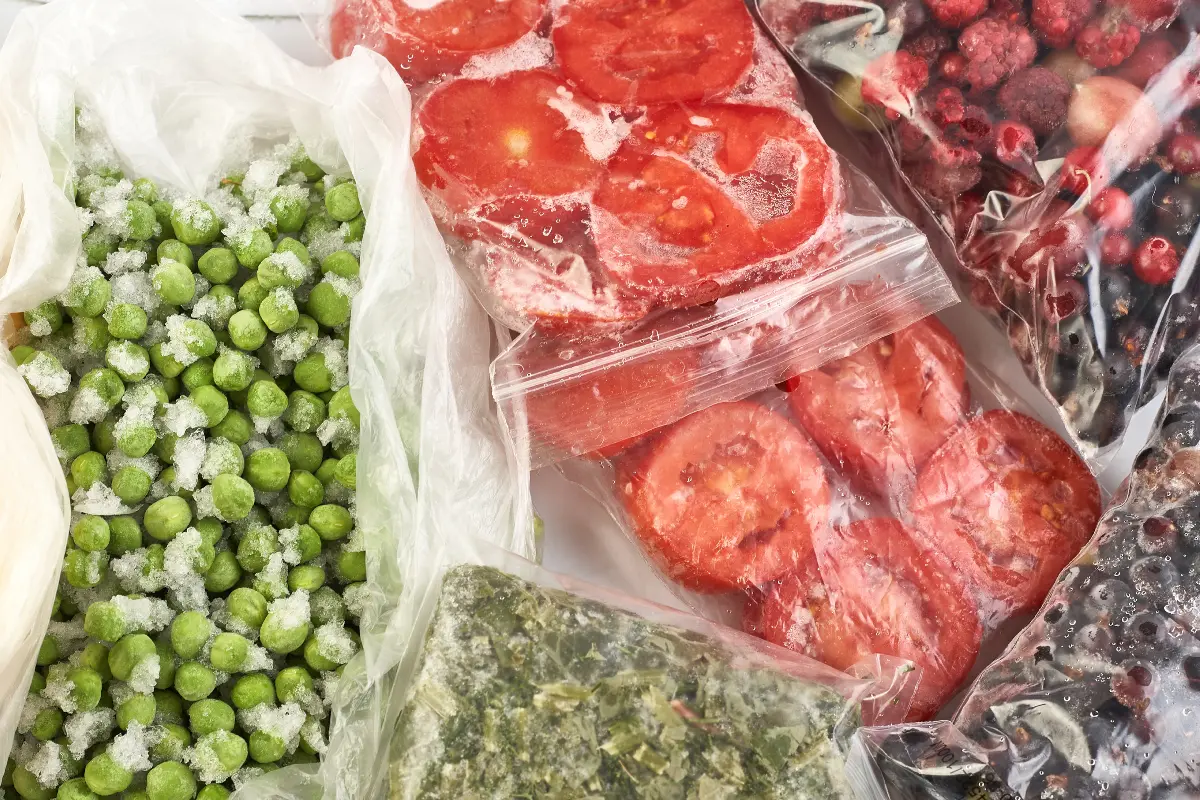
When it comes to meat, timing is everything. If you plan on eating meat within a few days of purchase, the refrigerator is suitable. But if your plans change, freezing is your best bet for preservation. Just be sure to wrap your meat well—airtight packaging is key to preventing freezer burn.
Remember, though, that not all bread loves the fridge. In fact, refrigerating bread can make it go stale faster. Bread is best kept in a cool, dry place. If you can't finish a loaf quickly, freezing slices is your friend; just pop them in the toaster when you're ready to eat.
Another often-overlooked tip is to be mindful of your storage containers. Make sure they are airtight to prevent moisture from getting in or freshness from getting out. For example, cereal can quickly go stale when left in a less-than-perfectly sealed bag. Pour it into an airtight container after opening to maintain that satisfying crunch.
Furthermore, paying attention to how you store dairy can also prolong its shelf-life. Dairy products should be kept at the coldest part of your fridge - usually at the back, rather than in the door, where temperatures fluctuate with frequent opening and closing. Also, never drink straight from the container, as bacteria from your mouth can contaminate the rest.
On the topic of shelf-life, let's discuss canned goods. While they might seem impervious to spoiling thanks to their sturdy exterior, once opened, their longevity diminishes rapidly. Remaining contents should be transferred to a different container if not used at once. Canned fruit or vegetables can keep for a few days in the fridge once opened, but make sure to cover them well.
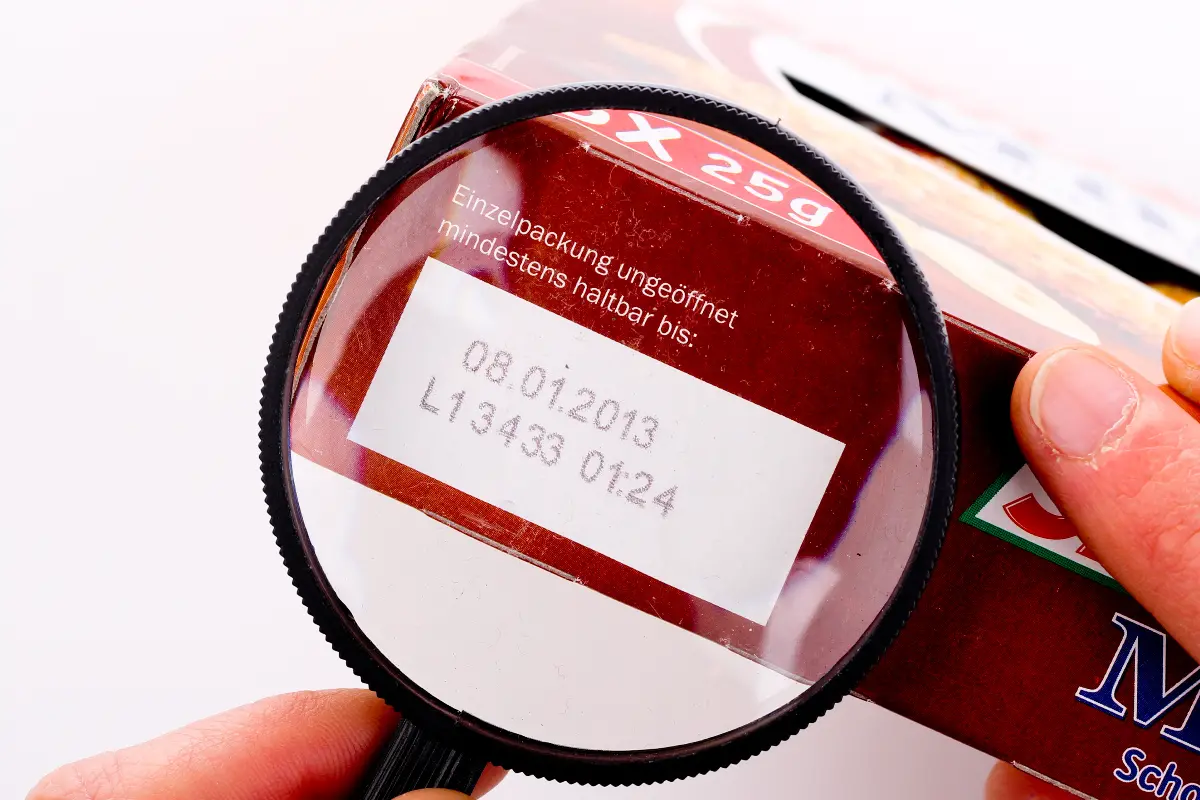
Speaking of longevity, keeping an eye on expiration and use-by dates might seem obvious, but it's easy to overlook it. Make it a habit to check labels and use or freeze items that are close to their end date. And when stocking up your pantry or fridge, follow the "first-in, first-out" rule to rotate your stocks.
Last but not least, proper cleaning cannot be overemphasized. Regularly cleaning your fridge, pantry, and storage containers prevents the spread of bacteria and mold, which can cause food to spoil prematurely. Also, only wash fruits and vegetables just before you're about to use them, as moisture can accelerate decay.
By incorporating these practical techniques into your routine, you can significantly reduce the amount of food waste in your home and enjoy your favorite meals for longer. Not to mention the added bonus of fewer trips to the grocery store, which is always a win in our busy lives.
In conclusion, with the right knowledge and a little bit of time invested in food preservation, the days of tossing out spoiled food can become a thing of the past. Follow these simple yet effective tricks, and you'll find that defying decay isn't just possible; it's easy. Say goodbye to food waste and hello to fresh, flavorful meals day after day.